

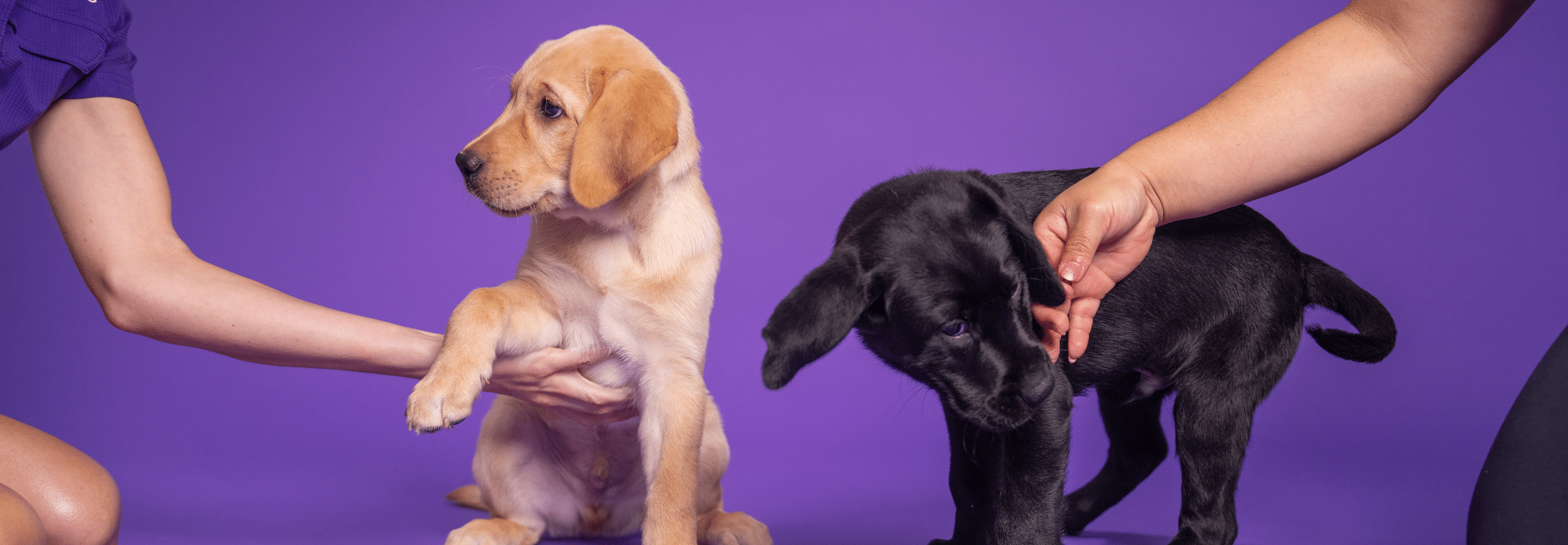
Service Dog Training Focus: From Distraction to Ignoring the World Around Them
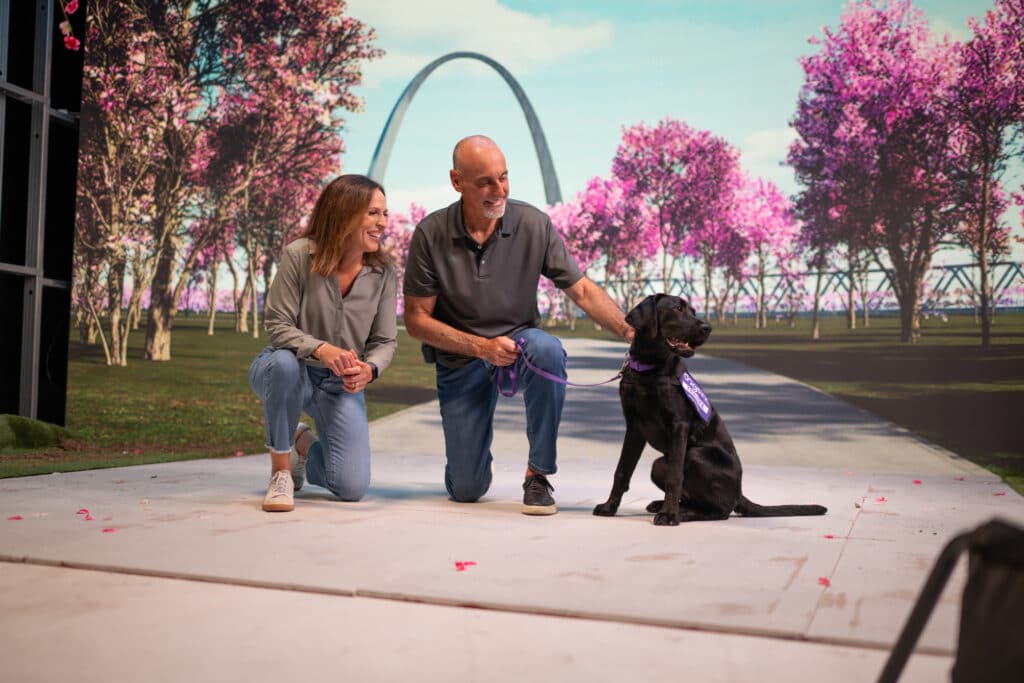 The world is full of distractions for a dog.
Food on the ground. A voice calling out. Other dogs passing by. Movement, noise, new environments at every turn. For many dogs, these moments pull their attention instantly.
But for a service dog, that same world becomes something quieter.
Building a strong bond with your service dog is essential for effective training, as dogs are more likely to focus on their person when they see them as the most rewarding part of their environment.
Through service dog training, a dog’s focus can become second nature. These highly trained working dogs don’t simply ignore distractions by chance. Their ability to stay focused is built through early training, repetition, and expert guidance. A dog’s focus acts as a communication bridge, showing they trust their guardian as a source of direction and reward.
Why Focus Matters for Service Dogs
Focus is the backbone of every successful service animal.
A service dog’s ability to stay attentive directly impacts their person’s safety, independence, and confidence in everyday life. These dogs are individually trained to:
- Navigate busy, distracting environments
- Ignore food, noise, and social interruptions
- Stay connected to their partner
- Perform tasks reliably without hesitation
Whether assisting with mobility, guiding through crowds, or supporting major life activities, focus makes a huge difference. When a dog responds consistently, it allows individuals with disabilities to move through daily life with greater ease and trust.
What Counts as a Distraction for Dogs
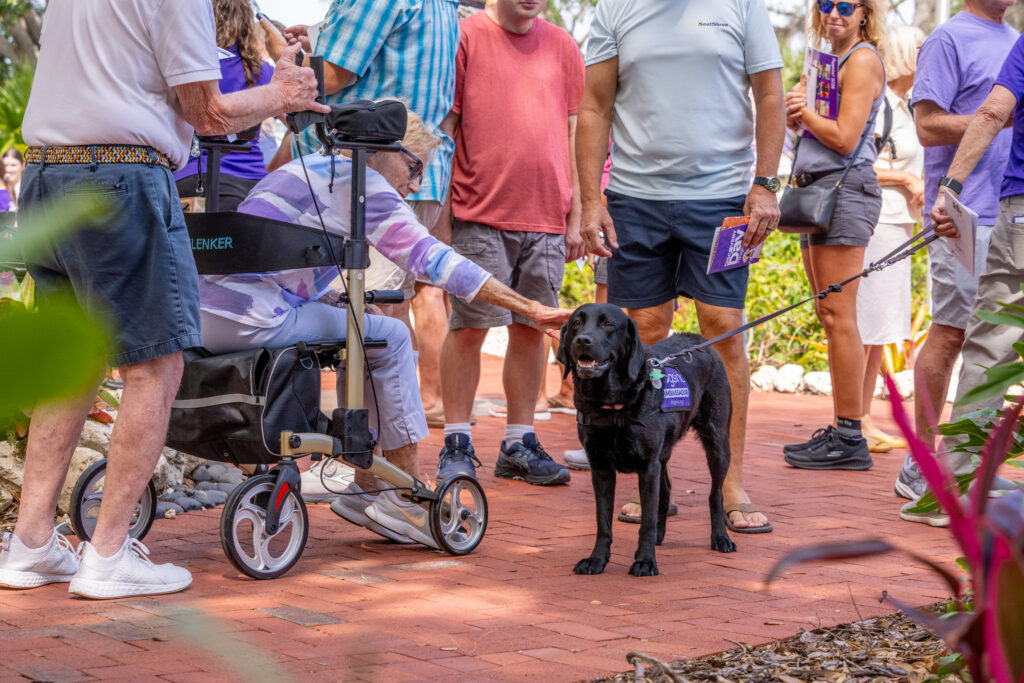
For a dog, distractions are everywhere—and they matter. What counts as a distraction can be anything that pulls your dog’s attention away from you or the task at hand. This could be another animal, a person, a sound, a smell, or even a moving object. A dog’s ability to handle these distractions is shaped by training and motivation, not just by innate temperament.
What can catch one dog’s attention may not faze another, and the level of distraction can change depending on the situation. Understanding your dog’s unique triggers is key to effective service dog training focus.
To build your dog’s ability to focus, start with mild distractions and gradually increase to more challenging environments. A good tip is to expose your pup to stimuli at a distance, where they can remain calm and responsive, and reward them for checking in with you instead of reacting.
Environmental Distractions
Crowds, traffic, sudden movement, loud noises, and a new environment can all be challenging distractions for a service dog.
Social Distractions
People attempting leash greetings, making eye contact, or calling to the dog can be significant distractions. Focus training helps ensure your dog ignores these attempts at social interaction, maintaining attention on you instead of responding to others.
Food and Scent Distractions
Restaurants, grocery stores, dropped food, strong smells.
For many dogs, scent is the strongest pull of all. Through training, a service dog learns that food on the ground isn’t an invitation, it’s something to notice and move past.
Other Dogs and Animals
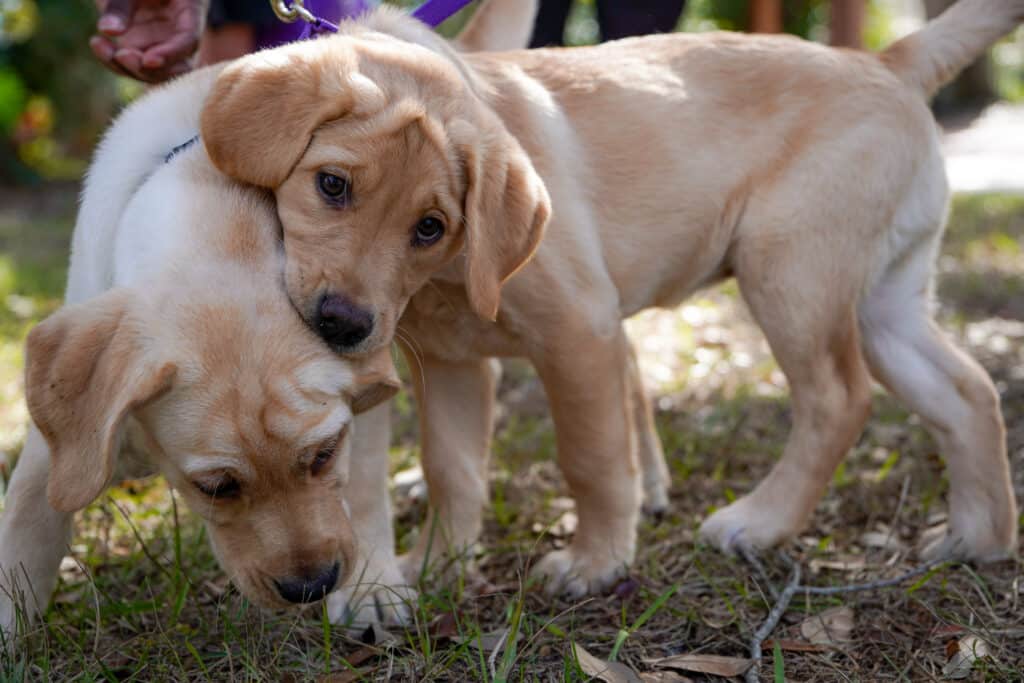
Other dogs, squirrels, birds—natural triggers for many pups.
An untrained dog or easily distracted pup will naturally react. With enough repetition, a service dog learns to remain neutral and in control, even when every instinct says to investigate.
How Focus Training Begins
Focus training starts long before a dog performs tasks.
Early Training and Socialization
Every service puppy is introduced to different environments early—sidewalks, stores, and public spaces—so you can teach your dog to focus and ignore distractions from the start. These experiences help build confidence and reduce reactivity.
Building Positive Associations
New environments are paired with calm behavior and rewards, helping shape the dog’s behavior in a constructive way by building positive associations. This helps the dog approach new experiences with confidence instead of hesitation.
Setting Expectations Early
Consistency is key. From the beginning, puppies are taught to stay focused, offer eye contact, and hold attention while responding to cues.
Puppy raisers play a vital role here, turning everyday life into meaningful training opportunities that lead to a calm dog.
Training Techniques That Build Focus
Strong focus doesn’t happen all at once. It’s built through intentional training methods.
Positive Reinforcement
Dogs learn that staying focused and ignoring distractions leads to rewards like treats or praise. Using high-value rewards is important for maintaining a dog’s focus and encouraging desired behaviors, which increases the dog’s success during training.
Impulse Control
Impulse control teaches a dog to pause before reacting—whether it’s food on the ground or another dog walking by. In that pause, the dog learns to choose focus over instinct, reinforcing calm, controlled behavior.
Gradual Exposure
Distractions are introduced slowly, helping the dog learn to handle them without becoming overwhelmed. This gradual exposure allows owners to monitor and support their dog’s progress as they build focus. Over time, environments that once felt overwhelming become familiar, making it easier for the dog to stay steady and attentive.
Practice and Consistency
Practice makes perfect. Owners must be consistent and actively engaged in practice to help their dogs develop reliable focus. Repeating behaviors in different environments helps turn learned skills into second nature.
Proofing Behaviors
A dog must respond reliably anywhere—at home, in public, or in commercial facilities.
Training in Real-World Environments
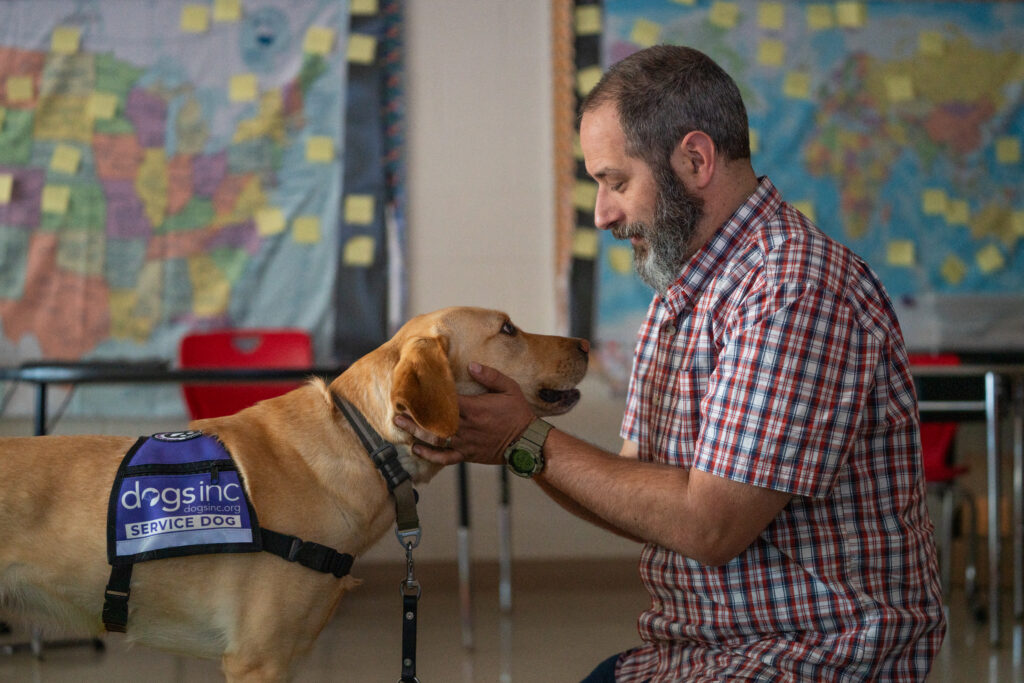
As training progresses, dogs move into real-world settings.
They practice in:
- Restaurants
- Airports
- Stores
- Classrooms and offices
This stage, known as public access training, prepares dogs to stay focused in the environments they will encounter in daily life. The goal is simple: the dog learns to listen, stay connected, and handle distractions no matter where they are.
Tip: Building a reliable recall is crucial so the dog responds to cues even in distracting environments. If a dog sees a squirrel or picks up a scent, gradually increasing the distance from the distraction can help the dog regain focus.
Why Neutrality Is the Goal
A service dog is not trained to ignore the world completely—but to move through it with control.
Neutrality means:
- Remaining calm instead of excited
- Staying attentive instead of reactive
- Choosing focus over distractions
Unlike a pet, a service dog is specifically trained to remain neutral and composed in all environments. A dog with strong focus on their partner learns new skills and cues more quickly, and is more likely to follow them in challenging settings.
This working mindset allows service dogs to notice what matters most—their person—while everything else fades into the background.
Common Challenges in Focus Training

Focus training for service dogs is not without its hurdles. Even the most promising service dog can be tempted to break focus when something unexpected happens nearby.
Impulse control is another key challenge. Some dogs naturally want to investigate every scent or sound, making it difficult for them to stay focused on their person. This is especially true in busy settings.
Encounters with untrained dogs or people who don’t understand service dog etiquette can also disrupt training. Curious pets may approach for a sniff, or well-meaning strangers might try to interact, pulling the dog’s attention away from their work.
To overcome these obstacles, effective training methods are essential. Positive reinforcement is a great tool to reinforce the right behaviors. With patience, consistency, and the right approach, any dog can learn to ignore distractions and perform their service tasks reliably.
What Happens When a Dog Gets Distracted
Distractions are part of the learning process. When a dog’s attention shifts, instructors redirect the behavior and reinforce focus. Over time, the dog’s progress becomes clear.
A distracted dog becomes a focused one through consistency. It’s not about perfection—it’s about building reliability.
The Role of Puppy Raisers and instructors
Training a service dog is a team effort.
Puppy raisers lay the foundation, introducing early environments and helping each dog learn to move through everyday life with confidence. Through consistent routines and real-world exposure, they help shape the calm, steady behavior that focus is built on. Professional instructors build on that foundation, refining skills, strengthening focus, and preparing dogs for the specific tasks they’ll one day perform.
Together, they shape a dog’s success—creating a steady, reliable partner who can stay focused when it matters most.
Focus Training at Dogs Inc
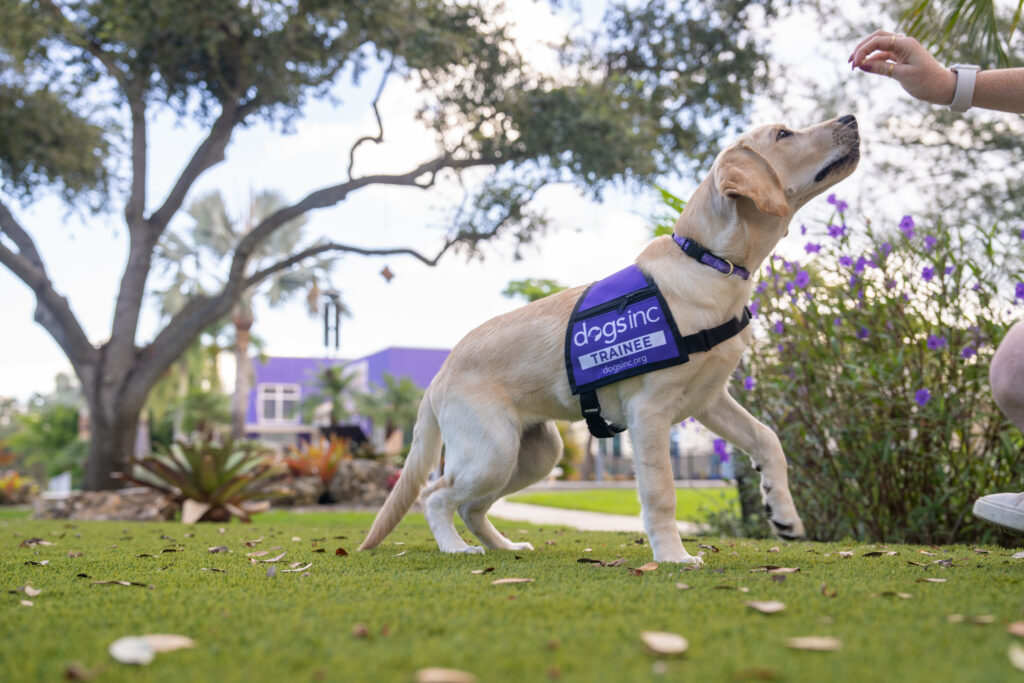
At Dogs Inc, focus training is built into every stage of a dog’s development.
It begins with puppy raisers, where everyday outings help shape calm, steady behavior. From there, our instructors refine that focus using positive reinforcement, teaching each dog to stay connected—even in distracting environments.
As training advances, dogs learn the specific skills they’ll need for guide and service work, practicing in real-world settings where focus becomes reliability.
From first exposure to final placement, each dog learns to stay grounded—so the person beside them can move forward with confidence.
