

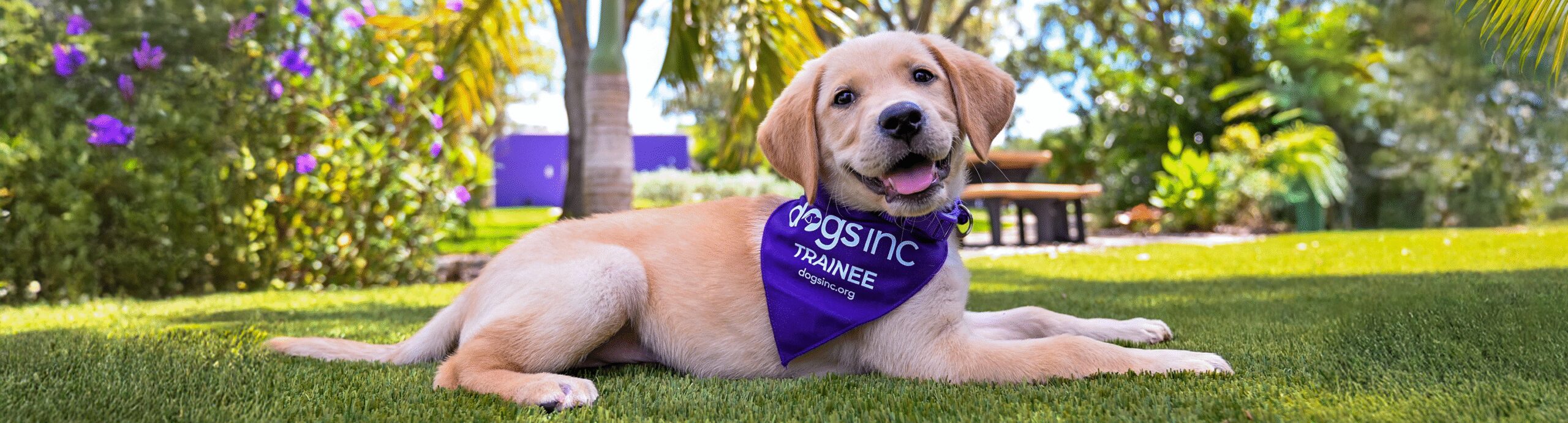
Puppy Education: Let the Learning Begin!
Puppy kindergarten training is one of the most important stages in early puppy development. During these early weeks, puppies begin learning how to respond to the world around them—from new people and environments to other dogs or cats, sounds, and daily routines.
Rather than overwhelming a young puppy with too many new things at once, this structured course introduces learning in a way that supports healthy behavior, reduces fear, and builds calm focus.
Across six weeks, the goal is simple: help each puppy remain thoughtful instead of reactive.
Week 1: Foundations of Learning and Trust
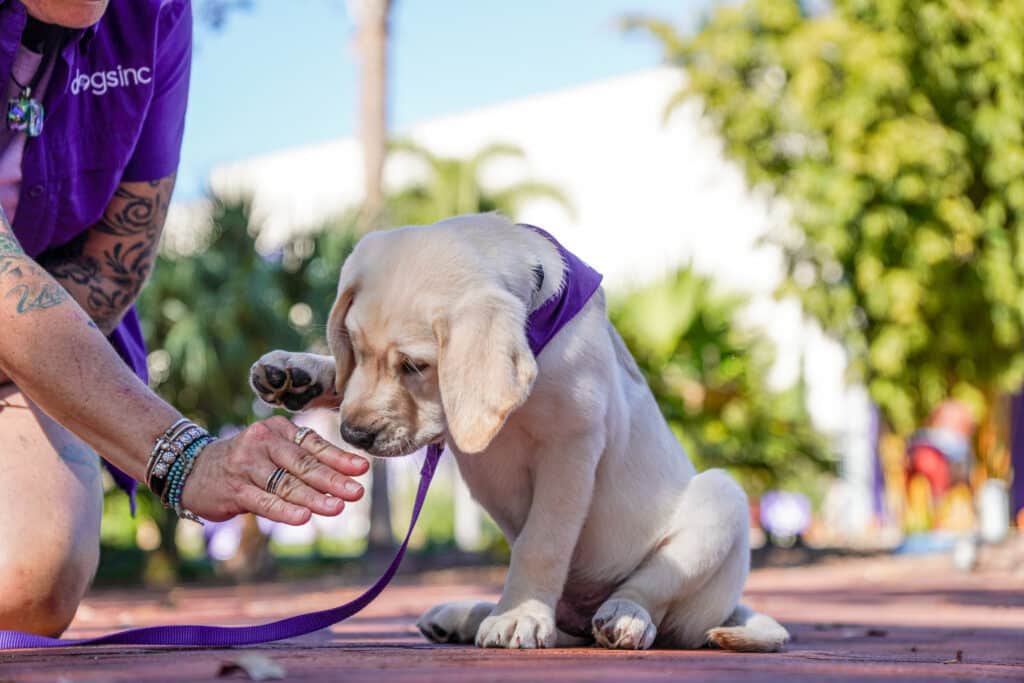
Training begins with body awareness and positioning through the Paw Pad.
This exercise helps a puppy learn how to stand calmly beside a person, an early step toward future leash walking and cooperative movement. It also introduces the idea that good behavior earns tasty treats.
Impulse control begins with stationary leash work, where the puppy learns to release tension rather than pulling toward distractions such as dog food, toys, or movement.
This week also introduces equipment comfort and gentle handling. Early exposure to touch helps prepare the puppy for routine care and future vet visits, reducing anxiety when interacting with unfamiliar humans.
These first steps support emotional stability during a time when puppies are especially impressionable.
Week 2: Movement and Awareness
In Week 2, puppies begin to walk short distances while maintaining attention.
Rather than focusing only on movement, the emphasis is on calm engagement in a new environment. Puppies learn to remain steady when observing activity around them instead of reacting impulsively.
Collar guidance is introduced to help the puppy understand directional pressure. This is an early step in communication that will later support walking through busy environments.
Exposure gradually expands to include mild distractions, such as sounds, new surfaces, or unfamiliar surroundings. These early experiences help prevent fearful responses when encountering new people, animals, or places later in life.
Week 3: Introducing Working Equipment
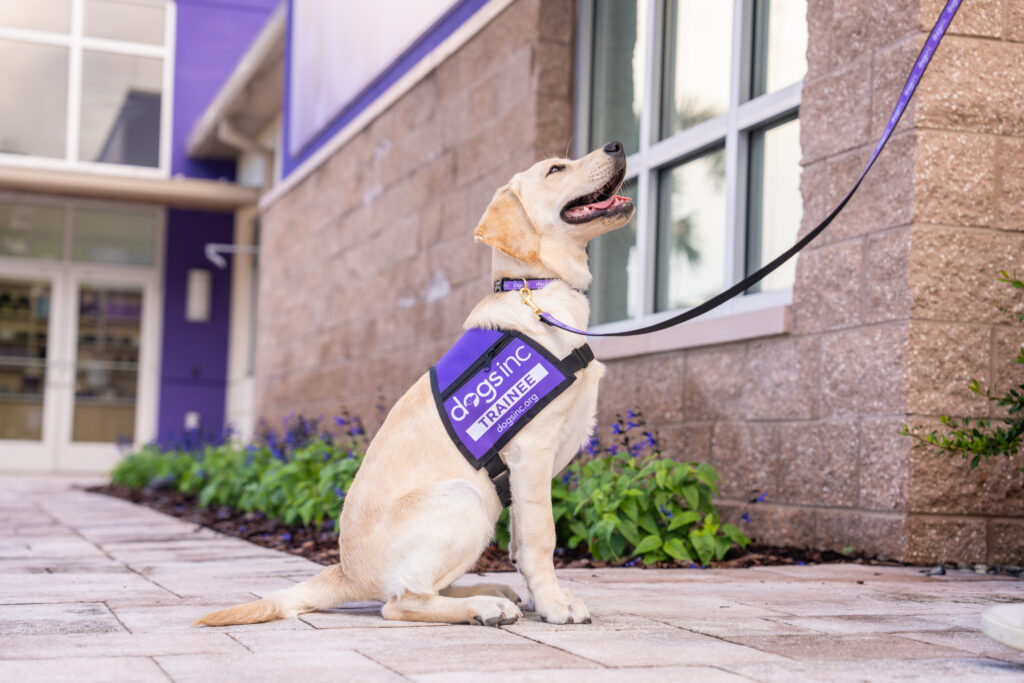
Week 3 introduces the vest.
Wearing equipment is a completely new experience for most puppies, and this step helps ensure the puppy remains calm when something unfamiliar is placed over their head and body.
The process is gradual and reward-based, so the puppy learns that new sensations are safe rather than stressful.
Training also progresses into structured position changes—moving between sit, down, and stand—which helps a developing puppy understand how to respond to guidance without force.
Exposure to grooming tools or exam-like handling begins here as well, helping the puppy build comfort with experiences they will encounter with a veterinarian later in life.
Week 4: Working Around Distractions
By Week 4, training becomes more dynamic.
Puppies begin walking while wearing working equipment and learn to stay engaged with their partner, even in the presence of distractions.
This may include movement, food on the ground, or nearby activity.
Verbal cues are added alongside hand signals to build understanding and communication.
Paw Pad work now includes distractions, helping the puppy practice remaining in position even when tempted to interact with something new.
These exercises support emotional regulation and help prevent impulsive reactions when encountering dogs, meeting people, or unexpected environmental changes.
Week 5: Stay and Recall
Week 5 introduces a major life skill: remaining in place before responding to a recall.
The puppy learns to hold position while a person steps away and then return when cued.
This builds reliability and strengthens focus in real-world situations, whether navigating crowded spaces or encountering other species.
Walking continues with added challenges, helping the puppy maintain a loose leash and avoid distractions while wearing equipment.
A brief veterinary-style exam is also introduced. During this exercise, another person gently examines the puppy while pairing the experience with rewards.
This helps the puppy remain calm when interacting with unfamiliar humans in a clinical setting.
Week 6: Graduation and Real-World Application
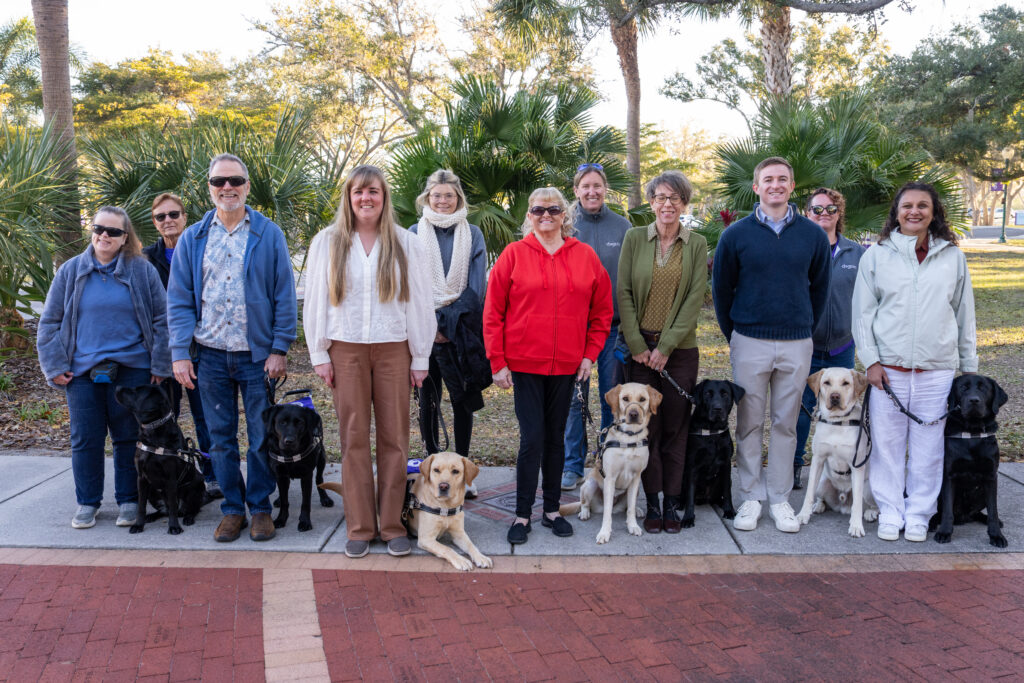
Graduation shifts training into everyday environments.
Rather than introducing new skills, the focus is on applying what the puppy has already learned.
Puppies begin working from the moment they exit the car, practicing calm positioning before approaching more stimulating surroundings.
They may encounter:
- Movement
- Sounds
- Other dogs
- New people
- Unfamiliar environments
The goal is not exposure for its own sake.
Instead, success is measured by the puppy’s ability to remain calm and responsive.
Some puppies may remain close to the car, while others move farther into the environment. Both outcomes support healthy development.
Gentle examination also continues during this week, reinforcing comfort with vet-style handling.
Why These Early Weeks Matter
Young puppies are constantly forming associations.
Overwhelming experiences can create fear, while repeated positive exposure builds confidence.
This program supports proper socialization by focusing on:
- Thoughtful introduction to new environments
- Calm interaction with humans and other animals
- Comfortable handling for veterinary care
- Focused walking skills
- Clear communication
Instead of forcing interaction with new things, the training encourages observation and engagement at an appropriate pace.
Preparing for Life Beyond Puppy Kindergarten
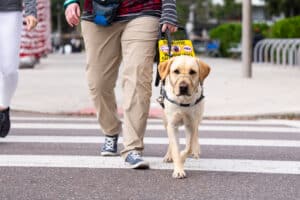
These skills lay the foundation for confidently navigating the world, whether encountering other animals, busy settings, or everyday life experiences.
Puppy kindergarten training is not about perfection.
It is about giving a developing puppy the tools to remain calm, adaptable, and engaged.
And those tools last a lifetime.
You Might Also Be Interested In:
