


How to Take Amazing Photos of Your Dog: 7 Tips from Our In-House Experts
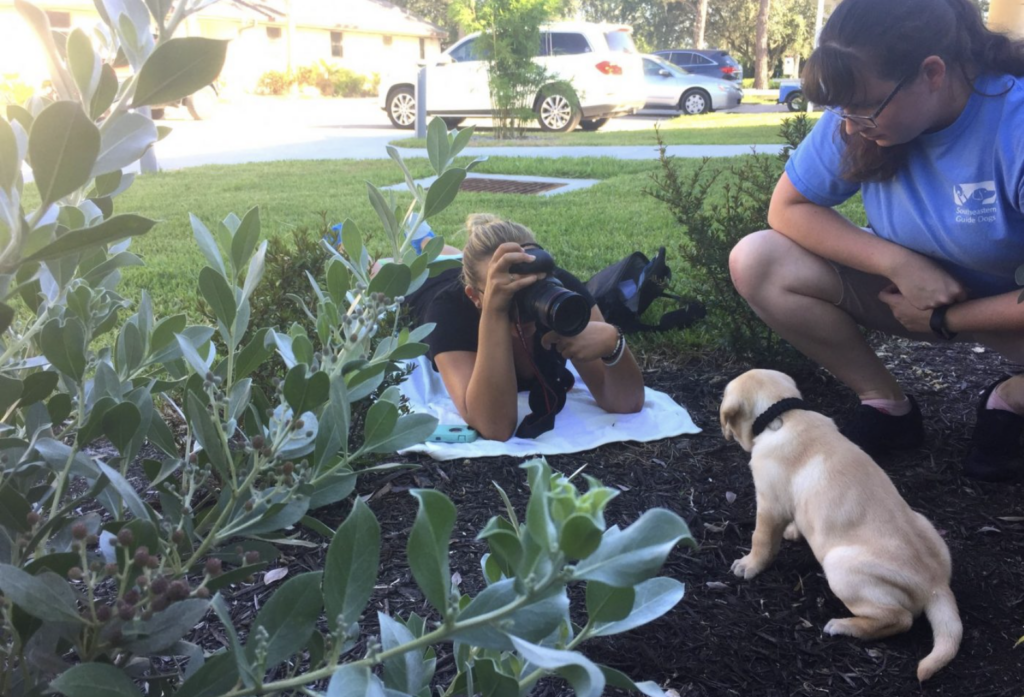
If you’ve ever tried to snap the perfect picture of your dog, you know it’s not always as easy as it looks. Dogs wiggle. They wander. They turn away just as you hit the shutter. But don’t worry—whether you’re a seasoned pet parent or new to the camera, you can learn how to photograph your dog like a pro with just a few simple tricks.
On our campus, our in-house photography team takes thousands of dog and puppy photos each year. From six-week-old puppy portraits to milestone moments in formal training, they’re capturing dogs at every stage of their journey. We use these images in everything from graduation invitations and newsletters to calendars and social media posts. With so much hands-on experience, our photographers know exactly what works—and what doesn’t—when it comes to getting the perfect shot.
If you’re looking to improve your dog photography skills, here are seven tried-and-true tips to help you capture images you’ll cherish for years to come.
- Get Down on Your Dog’s Level
One of the most effective ways to improve your dog photography is to change your angle. Instead of standing above your dog and pointing the camera downward, try getting down to their eye level. Crouch, kneel, or even lie flat on the ground. This perspective creates a more intimate, emotionally engaging photo that captures your dog’s personality in a way that feels real and close.Photos taken from eye level also help eliminate background distractions and allow your dog to be the clear focus of the frame. - Bring a Helper Along
If you’re photographing a puppy—or even a curious adult dog—a second set of hands can make a world of difference. Having someone nearby to gently guide your dog into position or keep them calm while you set up the shot can reduce stress for both of you. It also frees you up to focus on composition, lighting, and timing without juggling leashes or squeaky toys.Your helper doesn’t need to be a professional instructor—just someone your dog trusts and feels comfortable with. - Use Treats to Encourage Cooperation
Most dogs will do just about anything for a treat, and a few tasty rewards can go a long way in a photo session. Use treats to lure your dog into the frame, guide them into a sitting or lying-down position, or hold their attention for just a few extra seconds.Treats can also reinforce positive behavior, making future photo sessions easier and more enjoyable for your pup. Be sure to use high-value snacks that your dog loves, and keep them on hand throughout the shoot. - Grab a Squeaky Toy to Capture Their Attention
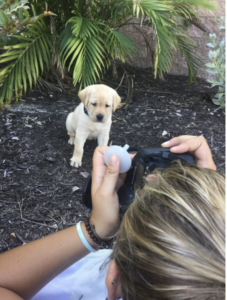
If you’ve ever wondered how to get your dog to look directly at the camera, this tip is for you. Holding a squeaky toy near your lens and giving it a quick squeeze can spark curiosity and prompt your dog to look up with bright eyes and perky ears—the kind of alert, expressive look every dog owner loves to see in a photo.This trick is especially useful when photographing high-energy dogs who are easily distracted by their environment. - Don’t Forget a Lens Cleaner
If you’re planning to photograph your dog up close, expect a little slobber along the way. Puppies, in particular, are known for kissing the camera—or at least getting close enough to leave a nose print on the lens.Keep a soft lens cloth handy so you can quickly wipe away smudges between shots. A clean lens means sharper, clearer photos, and fewer surprises when you review your images later. - Practice Patience—It Pays Off
One of the most important dog photography tips we can offer is simply this: be patient. Dogs don’t always follow directions. They might need to sniff around, take a break, or just have a moment to settle before they’re ready to pose. And that’s okay.Give your dog time. Let the shoot be playful and low-pressure. When you’re calm and relaxed, your dog will be too—and that’s when the magic happens. Some of the best dog photos happen in the quiet, unexpected moments in between the poses. - Take More Photos Than You Think You Need
In dog photography, quantity leads to quality. Don’t wait for the “perfect” shot to happen—keep snapping. Capture different angles, expressions, movements, and moments. The more photos you take, the more likely you are to catch something special: the tilt of a head, the glint in an eye, the exact moment your dog lights up.With digital photography, there’s no harm in taking dozens (or even hundreds) of shots. You can always delete what you don’t need later—but you can’t recreate a missed moment.
Final Thoughts: You Don’t Need Fancy Equipment to Take Great Dog Photos
You don’t need a professional camera or studio lighting to take beautiful photos of your dog. A smartphone camera and a little creativity go a long way. What matters most is your connection with your dog and your willingness to try, observe, and have fun along the way.
Whether you’re photographing a young puppy or a wise senior dog, these tips will help you capture the joy, personality, and heart that make your dog one-of-a-kind.
So grab your treats, your camera, and your patience—and get ready to fill your photo roll with tail-wagging, smile-worthy memories.
