


How Much Does a Service Dog Cost? Essential Insights and Budget Tips
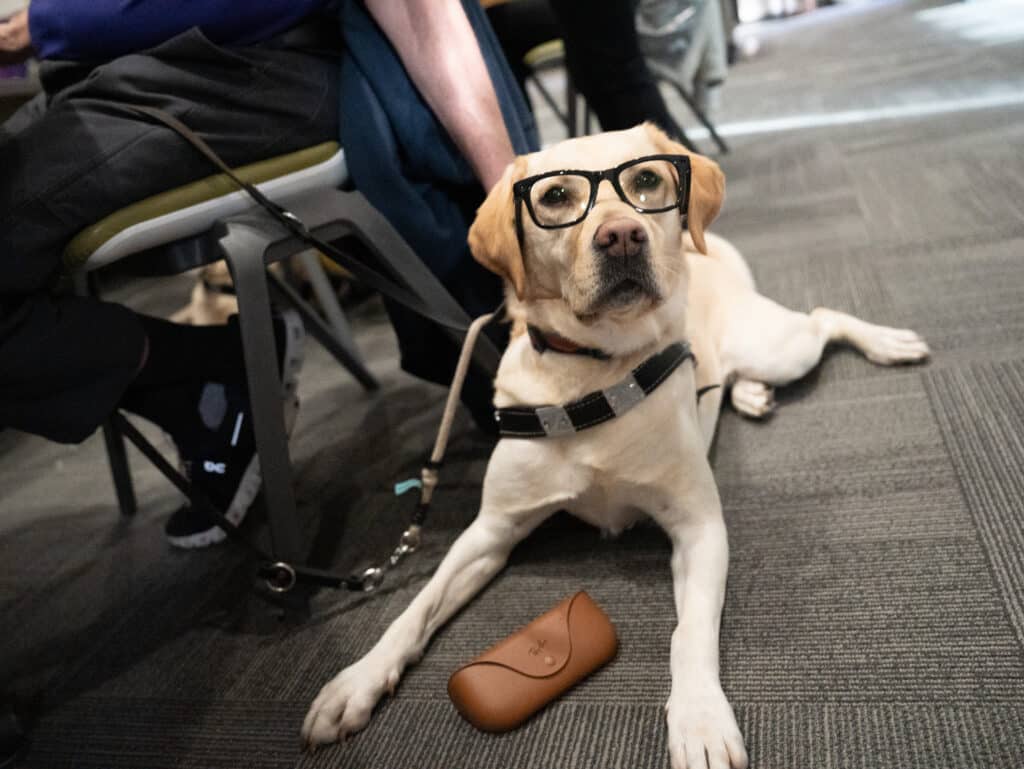
How Much Does a Service Dog Cost?
Many people searching online ask the same question: how much does a service dog cost?
The answer may surprise you. The average service dog cost can range from $30,000 to $50,000 or more. This reflects the years of planning, care, and specialized training required to prepare a trained service dog to support a person with a disability.
Service dogs are assistance dogs individually trained to perform specific tasks that help people navigate daily life. These tasks vary depending on the person’s disability. Some dogs assist individuals with vision loss as guide dogs, while others are trained as mobility assistance dogs, medical alert dogs, or psychiatric service dogs.
Preparing dogs for this level of responsibility requires extensive service dog training, professional instruction, and ongoing veterinary care throughout the dog’s development.
At Dogs Inc, however, these highly trained service dogs are provided at no cost to the people who receive them, thanks to donor support, volunteers, and nonprofit partnerships.
Preparing a trained service dog involves far more than basic pet training.
Unlike a pet dog, service dogs must learn to remain calm and focused in complex public environments while performing reliable tasks that support a person’s disability. Their training must be consistent, thorough, and carefully evaluated.
Several factors contribute to the overall service dog cost, including:
• selective breeding programs that prioritize health and temperament
• professional instructors and experienced dog instructors guiding development
• structured training programs and facilities
• veterinary care, health screening, and regular veterinary visits
• specialized instruction tailored to each dog’s role
Many programs rely on carefully planned breeding programs, often working with breeds known for intelligence and trainability such as Labrador retrievers, golden retrievers, and sometimes German shepherds.
Preparing a service dog for real-world environments requires significant expertise. Dogs must learn to perform tasks reliably while navigating busy spaces, other animals, and everyday distractions.
Because of this level of preparation, training costs vary greatly depending on the program and the dog’s training needs.
Training a service dog is a long and carefully structured process that develops both skill and confidence.
Several factors contribute to the cost of training a service dog, including:

Breeding and Early Development
Some training organizations operate their own breeding program to ensure puppies have the health, temperament, and motivation needed for service work.
Puppy Raising and Socialization
Volunteer puppy raisers introduce young dogs to everyday experiences and foundational learning such as basic obedience, basic cues, and exposure to public environments. Many programs also incorporate early puppy classes and structured socialization.
Advanced Service Dog Training
As dogs mature, professional instructors guide them through advanced training where they learn to perform specific tasks that support a person’s disability. This may include mobility assistance, medical alerts for conditions such as low blood sugar, or other specialized skills.
Veterinary Care and Health Screening
Throughout dogs’ training and development, dogs receive routine veterinary care, preventative treatments, and ongoing vet care to ensure long-term health.
Matching and Partnership Training
When a dog completes training, instructors carefully match the dog with the person it will support. This stage focuses on building trust and communication so the partnership can succeed in everyday life.
Lifelong Alumni Support
Many nonprofit programs continue providing support after placement to help each partnership thrive throughout the dog’s life.
Together, these stages reflect the true financial commitment involved in preparing a trained service dog.
The service dog training process typically takes 18 to 24 months.
During this time, dogs progress through several stages of development designed to prepare them for real-world environments and the responsibilities of supporting a person with a disability.
Early stages focus on confidence, socialization, and foundational learning. As training advances, dogs develop the skills needed to assist with daily tasks and navigate complex environments such as stores, transportation systems, workplaces, and public spaces.
Dogs may learn skills related to mobility assistance, medical alerts for changes in blood sugar, or other specialized tasks depending on the program.
Because service dogs must remain calm, focused, and reliable, instructors carefully evaluate each dog’s progress before determining whether the dog is ready for placement.
How Nonprofits Provide Service Dogs at No Cost

Given the extensive training and care involved, many people wonder how nonprofit organizations are able to provide service dogs without charging recipients.
Programs like Dogs Inc rely on a network of community support to make these partnerships possible.
Funding may come from:
• charitable donations and philanthropic gifts
• nonprofit grants and community partnerships
• volunteers who raise puppies during early development
• supporters who help offset training costs
This support helps remove the financial burden that might otherwise prevent someone from receiving a service dog.
Some organizations may also help individuals locate financial aid or financial assistance options. At Dogs Inc, however, service dogs are provided entirely at no cost to recipients, ensuring that financial barriers do not stand in the way of receiving life-changing support.
The Lifelong Value of a Service Dog
While the financial investment behind a service dog is significant, the impact of these partnerships extends far beyond the initial cost.
For many people, a service dog provides practical assistance that supports greater independence. Depending on the person’s disability, dogs may assist with mobility assistance, medical alerts, or other specialized skills that help with daily activities.
Some service dogs are trained to provide deep pressure therapy or other forms of physical support for individuals living with conditions such as post-traumatic stress disorder.
Beyond performing tasks, these dogs often become trusted canine companions who bring reassurance and confidence in daily life.
Many recipients describe their service dog as life-changing, helping them move through the world more safely and live more independent lives.
Service Dogs at Dogs Inc
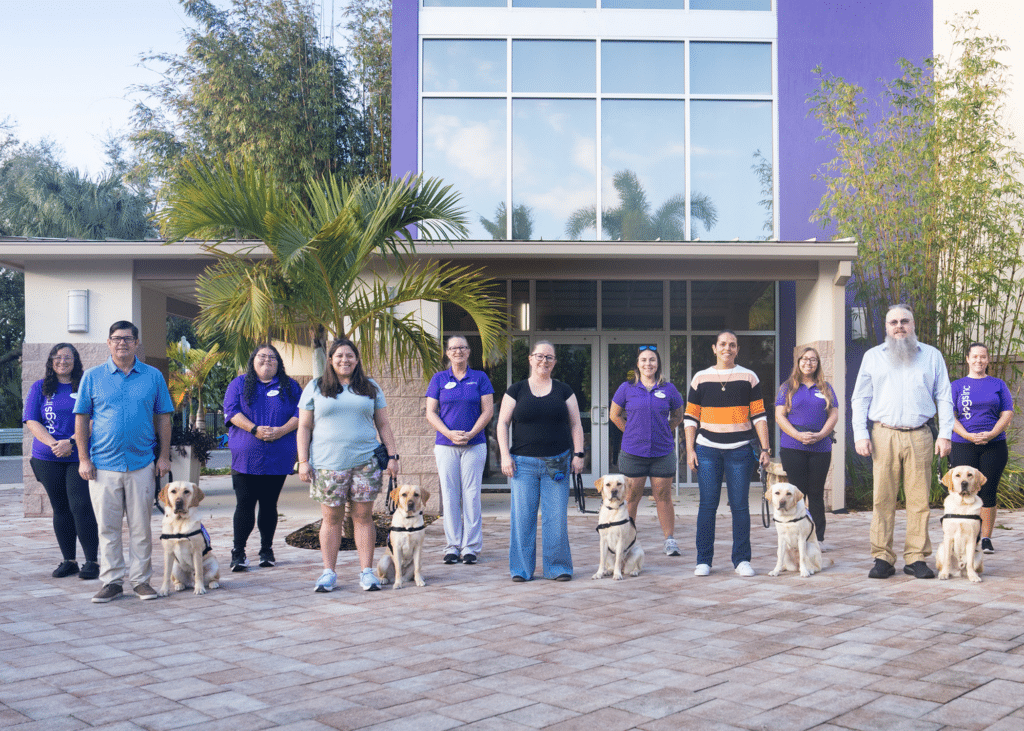
At Dogs Inc, dogs are carefully raised and trained to support people with vision loss, veterans living with disabilities, Gold Star family members, and individuals managing Type 1 diabetes.
Each dog begins its journey with volunteer puppy raisers before continuing through advanced training at our campus, where instructors develop the skills needed for specialized service work.
When training is complete, each dog is thoughtfully matched with a recipient to build a partnership designed to support independence, confidence, and safety in daily life.
Thanks to the generosity of donors, volunteers, and supporters, Dogs Inc provides these expertly trained service dogs at no cost to recipients and continues to support every partnership long after placement.
Learn More
Interested in learning more about service dogs or how these life-changing partnerships are created?
You can explore the application process, learn about becoming a volunteer puppy raiser, or support the mission that makes providing service dogs possible.
Every trained service dog represents years of dedication, care, and training—all leading to one extraordinary partnership.
You Might Also Be Interested In:
Puppy Raiser FAQs: Top 5 Questions About Raising Future Service Dogs
