


Top Service Dog Training in Florida: Your Guide to Success
Service Dog Training in Florida: How Service Dogs Are Trained and What It Takes
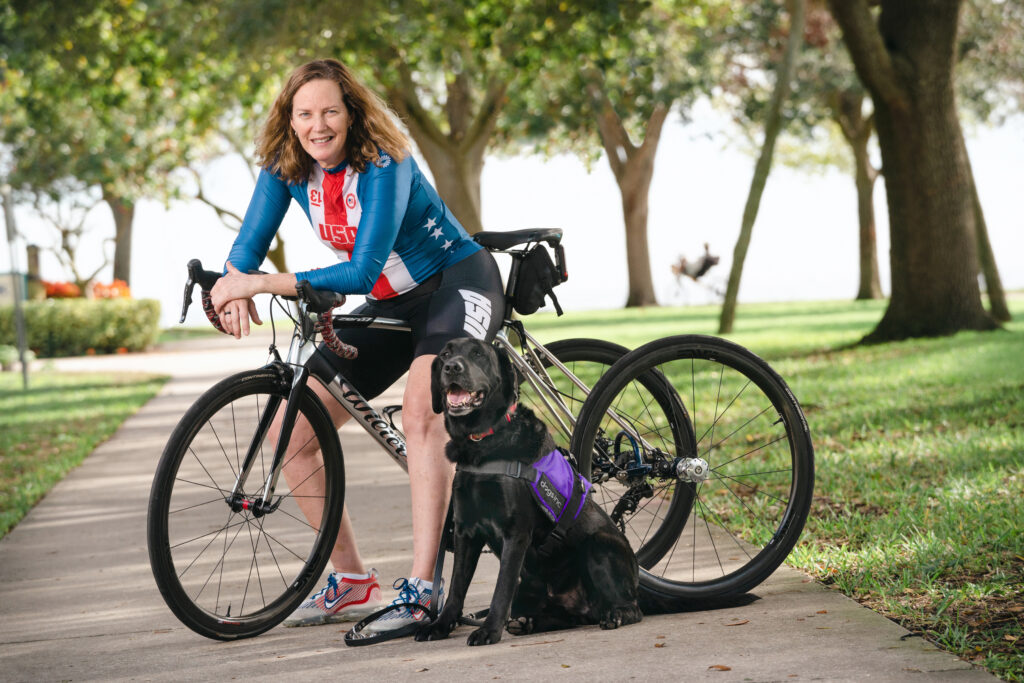
Across Florida and around the world, service dogs help people live more independent and fulfilling lives. These extraordinary dogs assist individuals with disabilities by performing specific tasks that increase safety, mobility, and confidence in daily life.
Behind every successful partnership is a thoughtful and intensive process known as service dog training. Unlike typical dog training, this work involves structured socialization and advanced instruction designed to prepare dogs to support a person’s unique needs.
For anyone researching service dog training in Florida, understanding how these dogs are trained can reveal just how much dedication goes into preparing them to become trusted companions and life-changing partners.
What Is Service Dog Training?
Service dogs are trained to help with physical, sensory, or medical conditions and must be able to work reliably in public environments.
It’s important to understand the differences between several types of assistance animals.
Service dogs are trained to perform specific tasks that directly assist a person with a disability. These tasks may include retrieving dropped items, guiding someone with vision loss, or providing mobility assistance.
Therapy dogs provide comfort in places like hospitals, schools, and nursing homes, helping people cope with stress or difficult circumstances. While therapy dogs offer emotional support, they do not perform task-based assistance for one individual.
Emotional support animals offer companionship and comfort but are not trained to perform specialized service tasks.
Because service dogs assist people with critical daily activities, their training must be extremely consistent and reliable. Service dog training programs are centered on temperament, focus, and the ability to remain calm in busy public spaces.
At Dogs Inc, we raise and train extraordinary dogs, including guide dogs that turn darkness into light, service dogs that help restore freedom, skilled companion dogs that offer comfort in times of need, and therapy dogs that bring healing to military and first responder facilities nationwide.
These extraordinary dogs are more than helpers. For many recipients, they become trusted companions and loyal friends who help them navigate the world with confidence.
How Service Dogs Are Trained
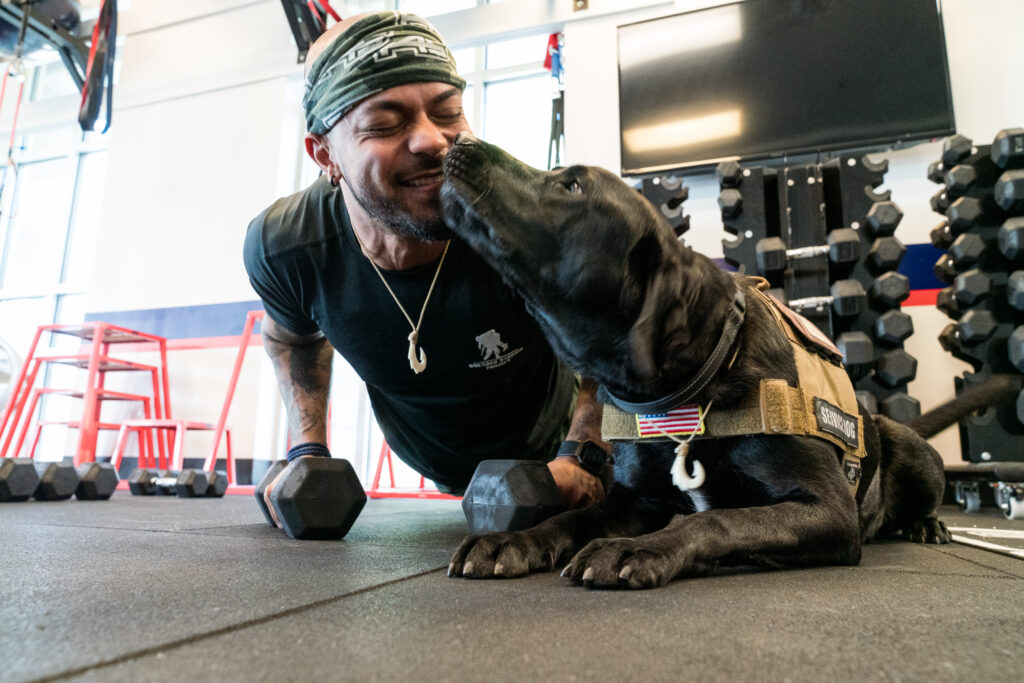
The service dog training process is long and carefully structured. Training dogs to work safely with a person requires patience, expertise, and thousands of hours of instruction.
At Dogs Inc, the service dog training program follows several important stages.
Early Development
From the earliest weeks of life, puppies receive social experiences that support healthy development. Instructors introduce gentle sounds, new textures, and positive human interaction that help puppies grow into confident dogs.
Proper nutrition also plays a role in development. We feed our pups premium dog food formulated to support growth, while veterinarians monitor health through vaccinations and preventative veterinary care.
Puppy Raising and Socialization
At around eight weeks of age, puppies enter a puppy raising program with volunteer puppy raisers.
Volunteers raise these young dogs in their homes and introduce them to everyday environments. During this time, puppies learn basic skills such as walking calmly on leash, responding to cues, and maintaining good house manners.
Puppy raisers expose dogs to public settings like stores, parks, and sidewalks so they learn to remain calm around distractions. This socialization builds the confidence dogs need to assist people safely in public spaces.
Volunteers also introduce puppies to new people of different ages and backgrounds, helping them grow comfortable around children, families, and diverse communities.
This stage of training lays the foundation for everything that comes next.
Professional Training
After the puppy raising phase, dogs return to Canine University where experienced instructors teach advanced skills.
This stage focuses on task training and public access training. Dogs learn to perform tasks that support people with specific needs while maintaining focus in busy environments.
Examples of advanced tasks include:
• retrieving dropped items
• opening doors
• assisting with mobility support
• identifying obstacles for someone with vision loss
• recognizing blood sugar changes in people with type one diabetes
During this phase, instructors also reinforce calm behavior around everyday situations such as crowds, elevators, and closing doors.
Public access training is critical because service dogs must behave reliably anywhere their human partners may go.
Client Matching and Team Training
Once dogs demonstrate strong reliability, they are carefully matched with the person they will assist.
Matching considers the dog’s temperament, energy level, and specific skills alongside the needs of the future recipient.
During team training, students learn how to communicate with their new dog, practice cues, and build a strong partnership.
This stage is where the bond truly forms. For many recipients, their service dog becomes both a working partner and a loyal companion who supports them throughout daily life.
How Long Service Dog Training Takes
Service dog training typically takes between 18 and 24 months from birth to placement.
This extended timeline allows dogs to progress through each stage of development while mastering complex skills.
Early development and puppy raising occur during the first year. Puppies learn obedience, socialization, and how to remain calm in a wide range of environments.
Advanced training typically takes place during the second year. instructors refine task performance and introduce real-world scenarios that prepare dogs for public access.
During this stage, dogs practice walking through busy areas, navigating crowds, and assisting with tasks like retrieving items or providing balance support.
Training also includes practicing safety behaviors that help ensure both the dog and human remain secure in public environments.
By the time training is complete, each dog has accumulated thousands of hours of instruction and experience.
Service Dog Training for Different Needs
Service dogs assist people with many different disabilities and medical needs.
Each type of service dog learns specialized tasks designed to support a person’s daily life.
Guide Dogs for Vision Loss
Guide dogs assist individuals experiencing vision loss. These dogs learn to navigate obstacles, stop at curbs, and guide their handler safely through busy environments.
Guide dogs also learn intelligent decision-making skills that help them identify hazards and guide their person around them.
Service Dogs for Veterans
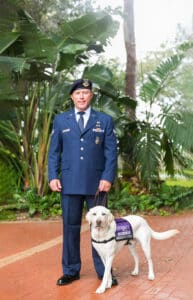
Many veterans benefit from service dogs trained to assist with mobility challenges or PTSD.
These dogs may retrieve items, open doors, or provide comfort and support during daily activities.
The partnership between veterans and service dogs can help restore independence and improve quality of life.
Service Dogs for People with Type 1 Diabetes
Some service dogs are trained to detect changes in blood sugar levels.
These dogs learn to identify subtle scent changes and alert their handler before a medical situation becomes dangerous.
Skilled Companion Dogs
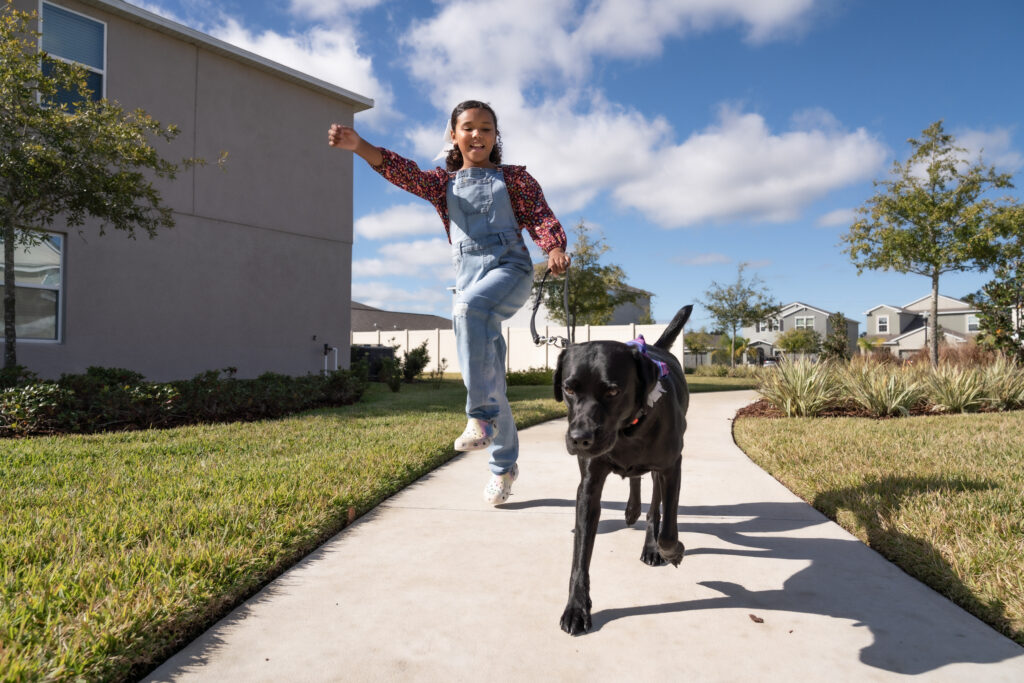
Skilled companion dogs provide friendship to children, veterans, or adults with vision loss.
For many families, these dogs become trusted companions who bring stability, comfort, and hope.
Service Dog Training in Florida: Why Specialized Programs Matter
Training a service dog requires expertise, resources, and structured programs designed specifically for assistance work.
At Dogs Inc, that includes veterinary oversight, structured learning environments, and experienced instructors who understand how to prepare dogs for real-world responsibilities.
We carefully evaluate each dog’s temperament and working ability. Not every dog is suited for service work, and programs must ensure each dog has the focus, stability, and adaptability required to succeed.
Our programs also provide ongoing support for clients after placement. This may include guidance, refresher training, and access to additional resources when questions arise.
The Role of Volunteers in Service Dog Training
Volunteers play a vital role in preparing service dogs for their future responsibilities.
Volunteer puppy raisers help raise young puppies while introducing them to everyday environments and experiences.
Through daily routines, training sessions, and exposure to the world around them, volunteers help puppies develop confidence and strong social skills.
The dedication of volunteers helps prepare these dogs for the responsibility of supporting someone with a disability.
Service Dog Training in Florida at Dogs Inc
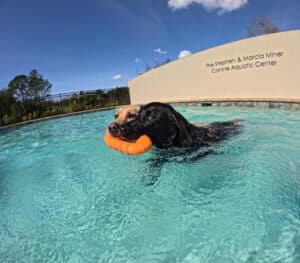
Dogs Inc operates a nationally recognized training program that prepares guide dogs, service dogs, therapy dogs, and skilled companion dogs. To date, we have created nearly 3,000 partnerships between people and dogs.
These partnerships help individuals live with greater independence, safety, and confidence.
One unique aspect of our program is that dogs are provided to recipients at no cost. This ensures that individuals who need assistance can receive a trained dog regardless of financial circumstances.
Dogs Inc also offers lifetime alumni support to help ensure every partnership continues to thrive long after placement.
Community members can support the mission in several ways. Individuals may apply for a service dog, volunteer as a puppy raiser, or visit the campus to learn more about the mission.
For those passionate about helping people and dogs, supporting service dog programs is a meaningful way to make a difference.
The Life-Changing Impact of Service Dogs
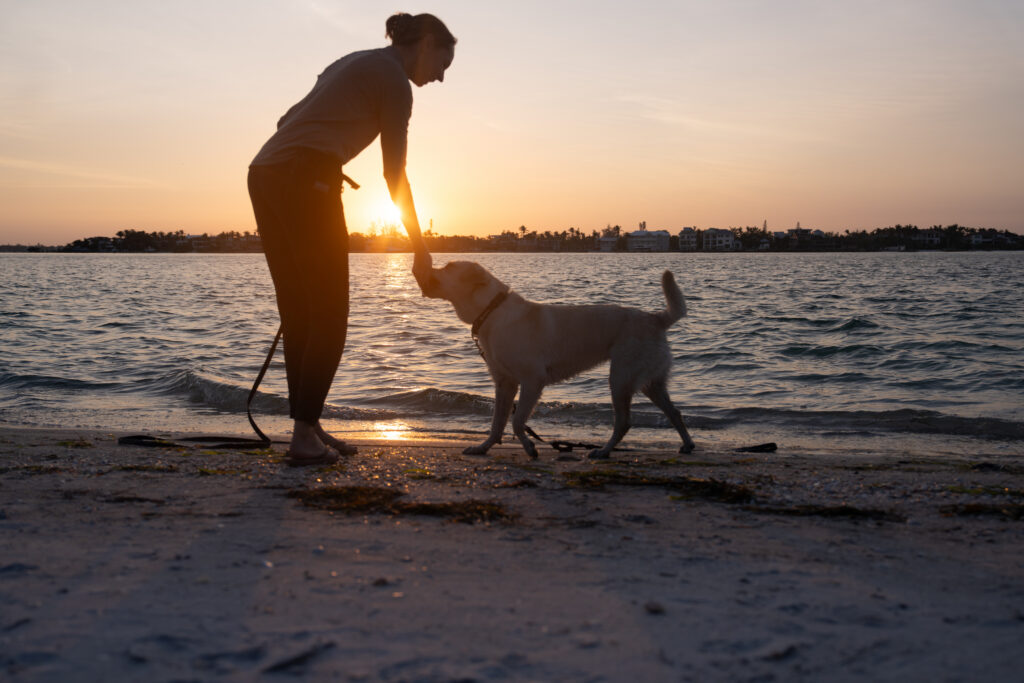 Service dogs do more than perform trained tasks. They help people navigate the world with greater independence, confidence, and hope.
From guiding someone safely across a busy street to retrieving an important item or providing reassurance during challenging moments, these dogs assist people in ways that transform daily life.
Behind every successful partnership is a journey of careful training, dedicated volunteers, and a commitment to preparing extraordinary dogs to support those who need them most.
These remarkable animals become loyal partners who help people live fuller lives and experience the world with renewed possibility.
You Might Also Be Interested In:
13 Common Houseplants That Are Toxic to Dogs—and How to Keep Your Pup Safe
Service Dog Access Laws: Your Rights, Responsibilities, and What to Expect
