

The Essential Guide to Diabetic Alert Dogs and Their Life-Saving Role
What Are Diabetic Alert Dogs?
For people with diabetes, blood sugar levels can change quickly and sometimes without warning. When glucose levels rise or fall outside the normal range, the body may not always show symptoms right away. In some cases, blood sugar changes can reach dangerous levels before a person realizes something is wrong.
That is where diabetic alert dogs can help.
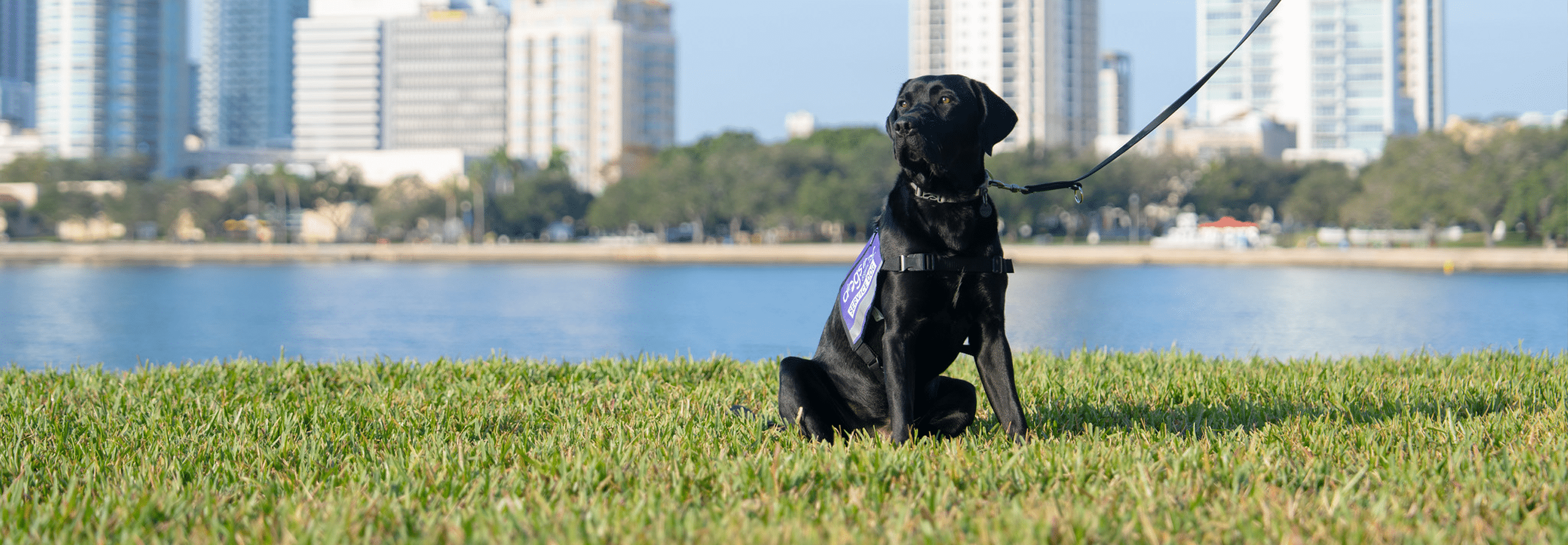
Diabetic alert dogs are service dogs specifically trained to detect subtle scent variations in the human body linked to blood sugar changes. These scent changes occur when the body releases volatile organic compounds during rapid glucose fluctuations, which trained dogs can detect through breath and sweat. These dogs are sometimes called diabetic alert service dogs or diabetes service dogs because they support people with diabetes as part of daily diabetes management.
When glucose levels shift toward low blood sugar (hypoglycemia) or high blood sugar (hyperglycemia), the body releases chemicals that change the smell of a person. These dogs are trained to recognize those specific smells and alert the person that it may be time to check their blood sugar.
Alerts like these can help people monitor their blood sugar levels more closely and respond before their glucose reaches dangerous levels. In many cases, trained dogs can recognize these scent changes 15–30 minutes before symptoms appear or technology alerts, giving people more time to respond.
For many individuals and family members, these specially trained dogs provide additional support and emotional security while managing diabetes.
Yes. Research shows that dogs can detect chemical changes in the human body through scent.
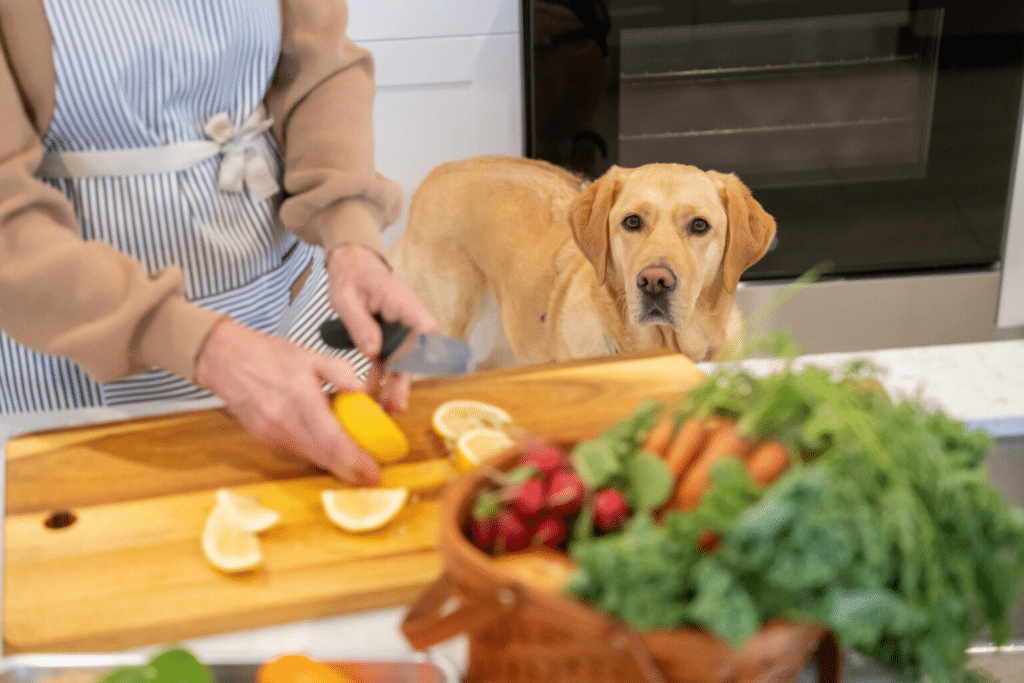
Dogs have an extraordinary sense of smell. While humans have about 5 million scent receptors, dogs have up to 300 million. This allows them to identify scent differences humans cannot perceive.
When blood glucose levels shift, the body releases volatile organic compounds that alter scent in breath and sweat. These chemical signals create scent markers linked to:
• Low blood sugar (hypoglycemia)
• High blood sugar (hyperglycemia)
• rapid blood sugar changes
Because dogs rely heavily on scent to interpret their environment, they can sometimes detect these changes before a person begins to notice symptoms.
This ability is why dogs are also used in other detection roles, including search and rescue, scent detection, and certain medical detection programs.
For people with diabetes, this heightened sense can provide an additional way to monitor blood sugar levels throughout daily life.
Training diabetic alert dogs requires careful scent training and consistent reinforcement.
In service dog training programs, instructors begin by introducing scent samples associated with blood sugar changes using samples collected during low blood sugar events from volunteers.
Through positive reinforcement dog training, dogs learn to associate those scents with an alert behavior and a reward.
Training often includes:
• exposure to blood sugar samples
• reinforcing alert behaviors
• practicing detection in different environments
• building reliability through repetition
• structured scent differentiation exercises to help dogs distinguish low, in-range, and high glucose levels
When dogs detect those scents, they perform an alert behavior to get their person’s attention. Alert dogs may:
• nudge or paw
• maintain focused eye contact
• remain persistently attentive
• retrieve glucose testing supplies
These behaviors signal that it may be time to check blood glucose levels. As training progresses, dogs learn to perform alerts in real-life scenarios, including public environments and home routines. A fully trained dog must be able to detect scent changes reliably while remaining calm and attentive in many environments.
For some people, this early alert can help prevent a medical emergency, particularly during sleep or when blood sugar levels reach dangerous levels.
Living with diabetes requires constant monitoring of blood sugar levels. Many people rely on tools like continuous glucose monitors, insulin therapy, and careful diabetes management routines.
Diabetic alert dogs can provide additional support by recognizing scent changes linked to blood sugar levels.
These alerts may occur:
• during sleep at night
• during physical activity
• during busy daily routines
For people who experience severe hypoglycemia, early detection can be especially important. If blood sugar levels drop too low, symptoms may include confusion, dizziness, or loss of awareness.
In these cases, an alert from a trained dog may prompt someone to check glucose levels and respond before a situation becomes dangerous.
Beyond the physical alerts, many individuals report increased confidence and emotional security when working with a service dog.
For families of children with diabetes, these dogs can also provide reassurance that another layer of monitoring is present throughout the day and night.
Why Not Every Dog Can Do This Work
Although dogs have remarkable noses, not every dog is suited for diabetic alert work.
Dogs selected for this role must demonstrate specific qualities, including:
• strong focus and trainability
• calm temperament
• motivation to work closely with people
• consistent responses to scent cues
Many service dog training programs use breeds known for intelligence and trainability, including:
• Labrador retrievers
• golden retrievers
• goldadors
Even within these breeds, only some dogs successfully complete the extensive training required to become diabetes service dogs.
Developing a reliable alert dog requires professional instructors, structured training environments, and careful matching based on individual needs.
Service Dogs for Type 1 Diabetes at Dogs Inc
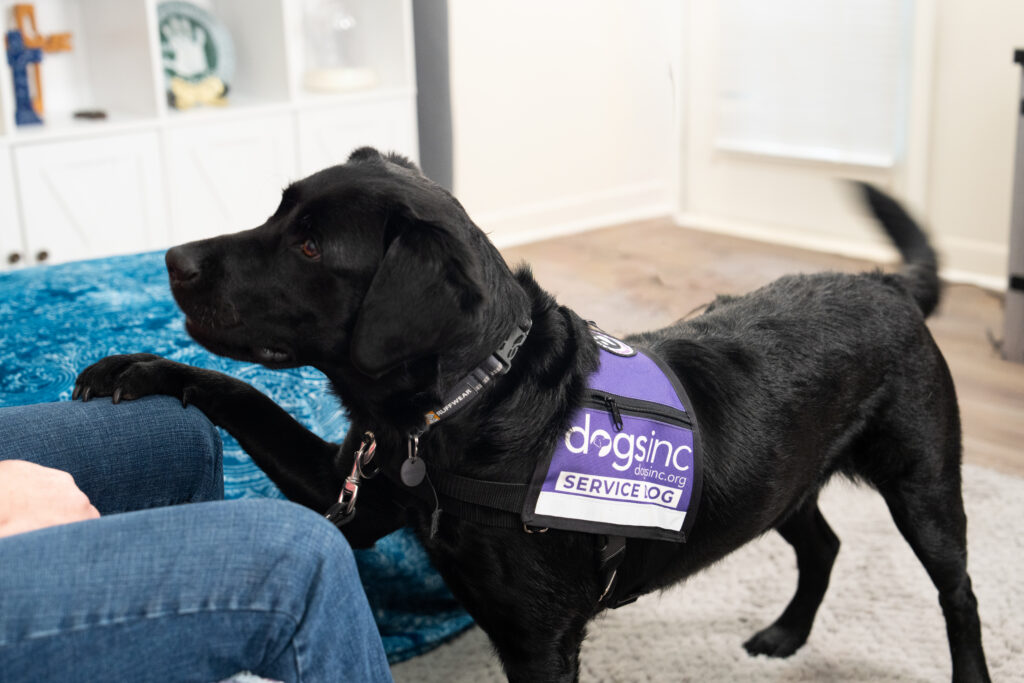
At Dogs Inc, service dogs are specifically trained to assist people with Type 1 diabetes through scent detection and alert behaviors.
These trained dogs learn to detect scent changes linked to shifting blood glucose levels and perform alerts when those changes occur.
Each dog begins its journey with volunteer puppy raisers and continues through advanced training at our campus, where instructors develop the scent detection and alert skills needed for this specialized work. In our Scent Detection Program, dogs practice hundreds of scent trials before placement to build reliable detection and alert behaviors.
When training is complete, each dog is thoughtfully matched with a recipient to form a partnership designed to support greater independence and confidence.
Dogs Inc is able to place dogs at no cost to the individuals who receive them. This is made possible through donor support, volunteer puppy raisers, and a community committed to expanding access to service dogs. Our team also continues to support every partnership long after placement, helping each team thrive together.
For many individuals living with Type 1 diabetes, these dogs become trusted partners who help support daily diabetes management while also providing companionship, reassurance, and confidence.
Learn More
Interested in learning more about diabetic alert dogs or service dogs for people with diabetes?
You can explore the application process, learn more about our service dog training programs, or discover ways to support the mission that makes these life-changing partnerships possible.
If you live with Type 1 diabetes, you can also help advance this work by volunteering scent samples used in training. These samples help our instructors teach dogs to recognize the scent changes associated with blood sugar fluctuations, an important step in preparing future diabetic alert service dogs.
Every fully trained service dog represents thousands of hours of care, training, and dedication, all leading to one life-changing partnership.
You Might Also Be Interested In:
Top Service Dog Training in Florida: Your Guide to Success
Something to Chew on: Is Rawhide Safe for Your Dog? Do’s and Don’ts and Safety Tips
How Much Does a Service Dog Cost? Essential Insights and Budget Tips
