


What Conditions Qualify for a Service Dog?
 Introduction
Many people begin their search with the same question: what conditions qualify for a service dog?
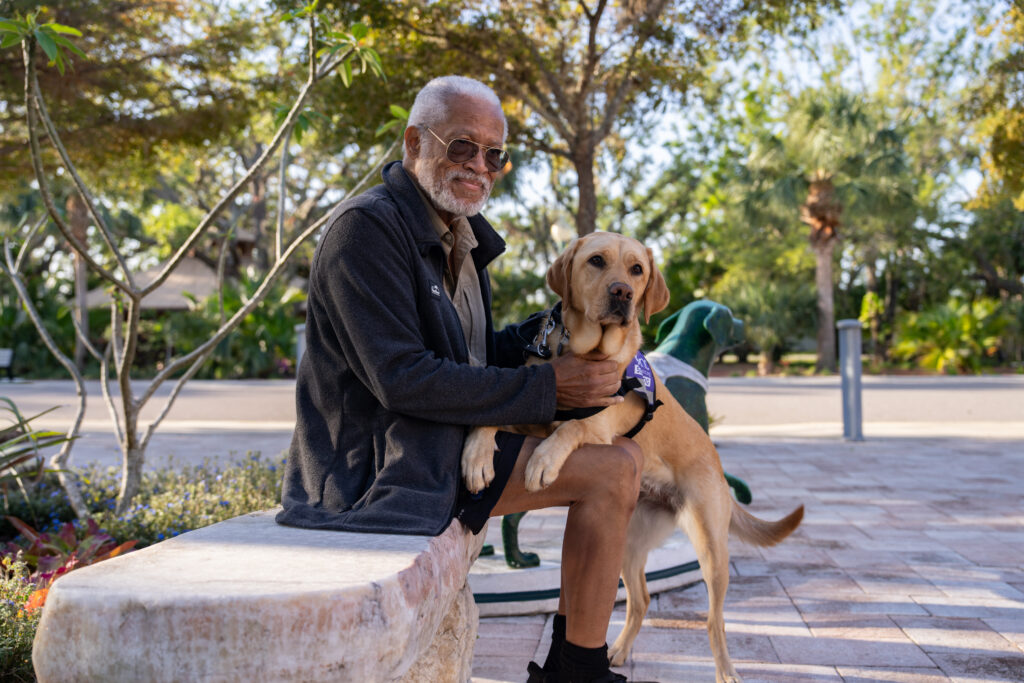
Service dogs are working animals trained to perform specific tasks that assist individuals with disabilities, helping them navigate daily life with greater independence and safety. Under the Americans with Disabilities Act (ADA), often referred to as the disabilities act ADA, a service animal means a dog trained to perform tasks directly related to a person’s disability.
Service dogs assist people living with many types of disabilities, including physical disabilities, mental disabilities, mobility issues, and medical conditions. While not all disabilities qualify, individuals whose conditions substantially limit major life activities may benefit from a dog trained to provide assistance.
Understanding ADA’s definition of a service animal, how these working animals perform tasks, and how service dogs differ from emotional support animals or therapy animals can help clarify who may qualify for a service dog.
What Is a Service Dog?
Under the Americans with Disabilities Act, a service animal means only dogs that are individually trained to perform specific tasks for a person with a disability. While some organizations may also include miniature horses under certain circumstances, the ADA primarily recognizes dogs—and not other animal species—as service animals.
These animals receive appropriate training so they can reliably assist individuals with disabilities in many public locations, such as stores, workplaces, and restaurants.
Examples of tasks service dogs perform include guiding individuals with vision loss, providing mobility assistance, alerting to medical conditions, retrieving dropped items, retrieving medication, interrupting panic attacks, and creating space in crowded environments.
Because these dogs are trained to perform tasks related to a disability, they are protected under the Americans with Disabilities Act, including Title II and Title III, which regulate public services and public accommodations.
These laws apply to many environments and help prevent denying access or refusing service to someone using a service dog. However, businesses may restrict access in rare cases where a service animal poses a direct threat or when other valid safety reasons exist.
State and local laws may also provide additional guidance for service animals in public settings.
Disabilities That May Qualify for a Service Dog
Many disabilities may qualify for a service dog if the dog is trained to perform specific tasks that assist individuals whose conditions substantially limit major life activities.
Service dogs assist individuals living with both physical disabilities and mental health conditions. However, not all disabilities qualify, and eligibility depends on whether a dog’s training can meaningfully assist with the effects of the disability.
Vision Loss
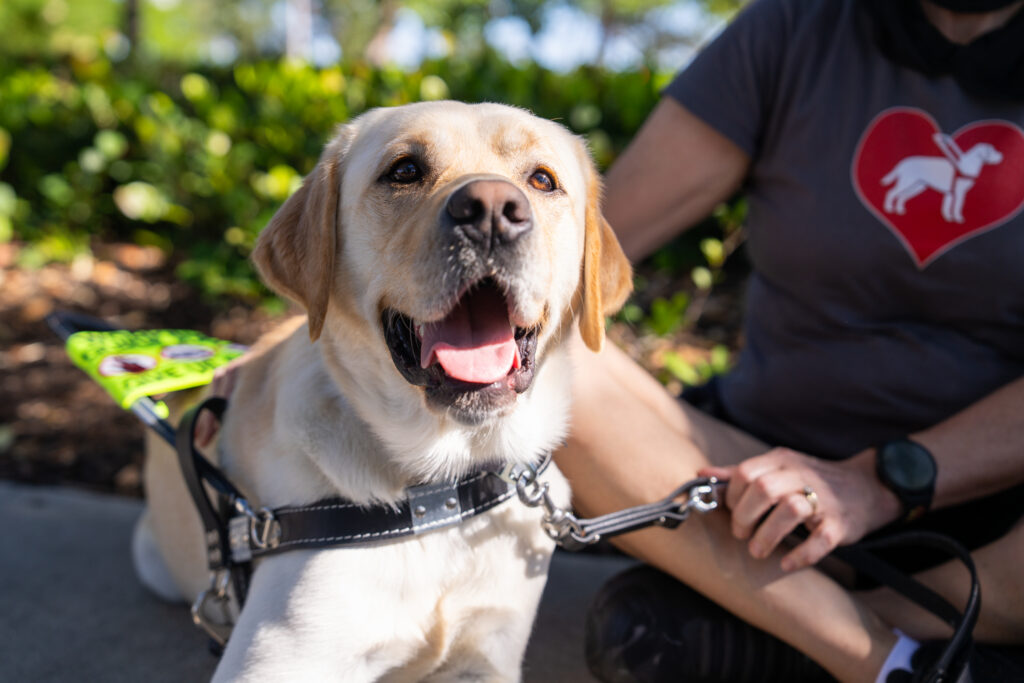
Guide dogs assist individuals who are blind or visually impaired by helping them navigate safely through their surroundings.
Through extensive training, these dogs learn to guide around obstacles, stop at curbs or elevation changes, and help individuals move through crowded environments.
Guide dogs support safe travel in many different locations, including sidewalks, transportation systems, workplaces, and other public accommodations.
Mobility Disabilities
Service dogs support individuals with mobility issues or physical disabilities that make everyday activities difficult.
These dogs may perform tasks such as retrieving dropped items, opening doors, activating access buttons, and providing stability and balance while walking.
By performing these tasks, service dogs help people maintain independence and move more safely through daily routines.
Type 1 Diabetes
These dogs may alert individuals when blood sugar levels drop too low or rise too high. Some dogs are also trained to wake a person during nighttime glucose changes.
By providing early alerts, these dogs help individuals manage diabetes and respond quickly to potentially dangerous changes.
PTSD and Other Psychiatric Disabilities
These dogs are trained to perform tasks that support people living with psychiatric disabilities.
Tasks may include interrupting panic attacks, grounding someone during anxiety episodes, guiding a person away from overwhelming environments, or creating space in crowded areas.
These dogs may assist individuals living with anxiety disorders, bipolar disorder, traumatic stress disorder, or another mental disability when symptoms substantially limit daily functioning.
What Does Not Qualify for a Service Dog?
A common misconception is that animals providing comfort or emotional support automatically qualify as service animals.
Under ADA’s definition of a service animal, a dog must be individually trained to perform tasks that assist with a disability.
This means that animals whose sole function is to provide emotional support do not qualify as service dogs under the Americans with Disabilities Act. Therapy animals and comfort animals are also not considered service animals in public settings.
Businesses may deny access to animals that do not meet the ADA definition, though state and local laws may provide additional clarification in some cases.
How Service Dogs Are Trained

Service dogs undergo special training that often takes 18 to 24 months before placement.
Training programs typically include early development and socialization, volunteer puppy raising, professional training, public access training, and task-specific instruction.
Dogs must demonstrate effective performance of their trained tasks and appropriate behavior in public environments before completing training.
Because of the extensive training involved, only some dogs successfully complete service dog training programs.
How to Apply for a Service Dog
Organizations that train service dogs typically have an application process designed to ensure the right match between a dog’s training and an individual’s needs.
The process may include completing an application, providing medical documentation from a healthcare provider, participating in interviews or evaluations, and discussing lifestyle considerations.
Some programs may request written documentation from a licensed mental health professional when applying for a psychiatric service dog.
These steps help determine whether a trained service dog can appropriately assist with the person’s disability.
Service Dogs at Dogs Inc
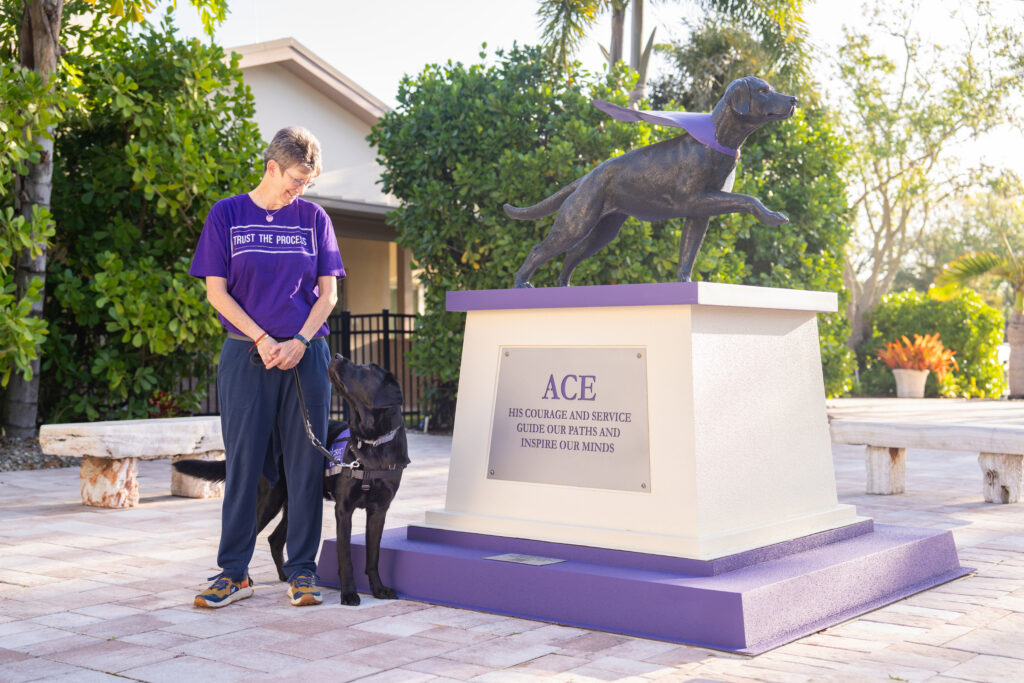
At Dogs Inc, the mission is to train service dogs that assist individuals living with disabilities.
Through extensive training and the dedication of volunteers and professional instructors, Dogs Inc prepares dogs to support people living with vision loss, veterans with disabilities, individuals managing Type 1 diabetes, and others whose independence can be strengthened through task-trained assistance dogs.
These dogs are provided at no cost to recipients, made possible by the generosity of donors, volunteers, and a community committed to expanding independence and opportunity for people living with disabilities.
You Might Also Be Interested In:
Respect Our Service Dogs – National Service Dog Month
Top Service Dog Training in Florida: Your Guide to Success
How Much Does a Service Dog Cost? Essential Insights and Budget Tips
