

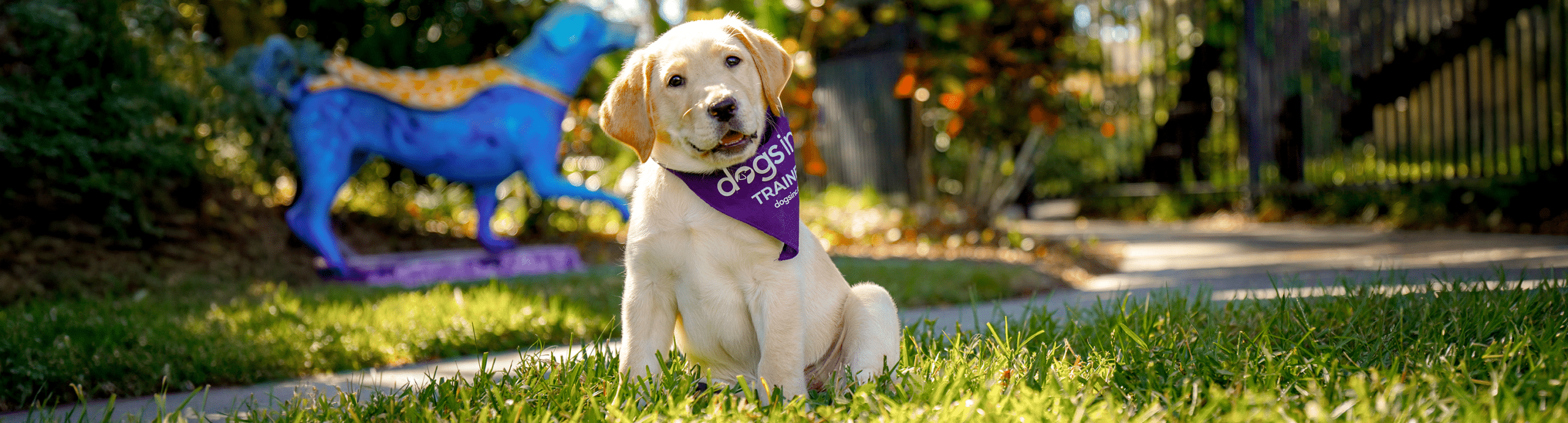
Training Tip: “Busy Busy” Cue
We’re all busy. But at Dogs Inc, “busy” has a very specific meaning.
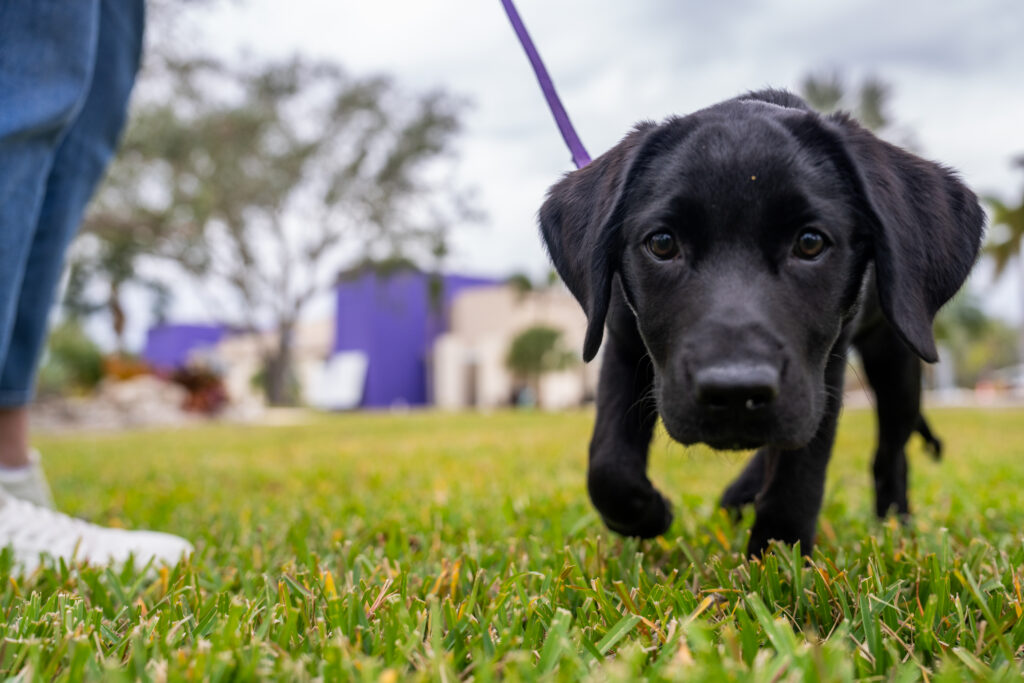
Our puppy raisers teach young pups to relieve themselves on cue using the phrase “busy busy.” This skill helps future guide and service dogs succeed in all kinds of environments—during travel, in bad weather, or when time is limited. The “busy” cue is a way to teach the puppy to go potty by pairing a specific word or phrase with the act, making it easier for dogs to understand when and where to go. But how does a puppy learn it?
Introduction to House Training
House training, often called potty training, is one of the first and most important lessons for any new puppy. For dog owners, this process is about more than just keeping your house clean—it’s about teaching your puppy where and when it’s appropriate to eliminate. The goal is to help your puppy become fully potty trained by consistently using a designated potty spot, which serves as their ‘restroom’ area and helps them associate a specific place with their bathroom needs. For indoor house training, some owners use dog potty boxes, similar to how a cat uses a litter box, to provide a clear indoor spot for their dog. Establishing a solid routine with frequent trips to the bathroom is important, especially during the first week. Most dogs can learn to “busy” on cue and develop good habits with patience, positive reinforcement, and a clear process. Remember, house training is a journey that requires time, but with the right approach, your puppy will quickly learn what’s expected.
Start with Routine
Young puppies have tiny bladders and limited control. Many puppies, depending on their age, cannot hold their bladders for more than a few hours, so owners should expect frequent trips outside, especially in the morning and at night. During house training, they may need to go out every 30 minutes—especially after eating, drinking, playing, or waking from a nap. Watch for signs that your puppy needs to pee or poop, such as sniffing, circling, or whining, and take them for a walk to their designated potty area right away.
Consistency is key. A predictable schedule for feeding, crate time, and potty breaks helps puppies understand when to eliminate. Taking your puppy to the same spot each time also builds clarity and focus, and you should teach your puppy to wait until they reach the designated area before relieving themselves.
Supervision matters, too. Preventing accidents indoors is far more effective than correcting them later. A common mistake is failing to supervise closely, which can lead to more accidents indoors. If an accident happens, avoid punishment. Fear and confusion slow learning. Instead, clean the spot thoroughly with an enzymatic cleaner to remove lingering odors that may encourage repeat accidents. When rewarding your puppy, wait until they have finished peeing or pooping before giving praise.
Creating a Designated Potty Spot
Establishing a designated potty spot is a key step in successful potty training for young puppies and dog owners. Choose a specific area—such as a grassy patch near the back door or a litter box for smaller breeds—and make this the go-to place for your puppy to relieve themselves. This helps your puppy learn exactly where to go potty, making the house training process clearer and more efficient.
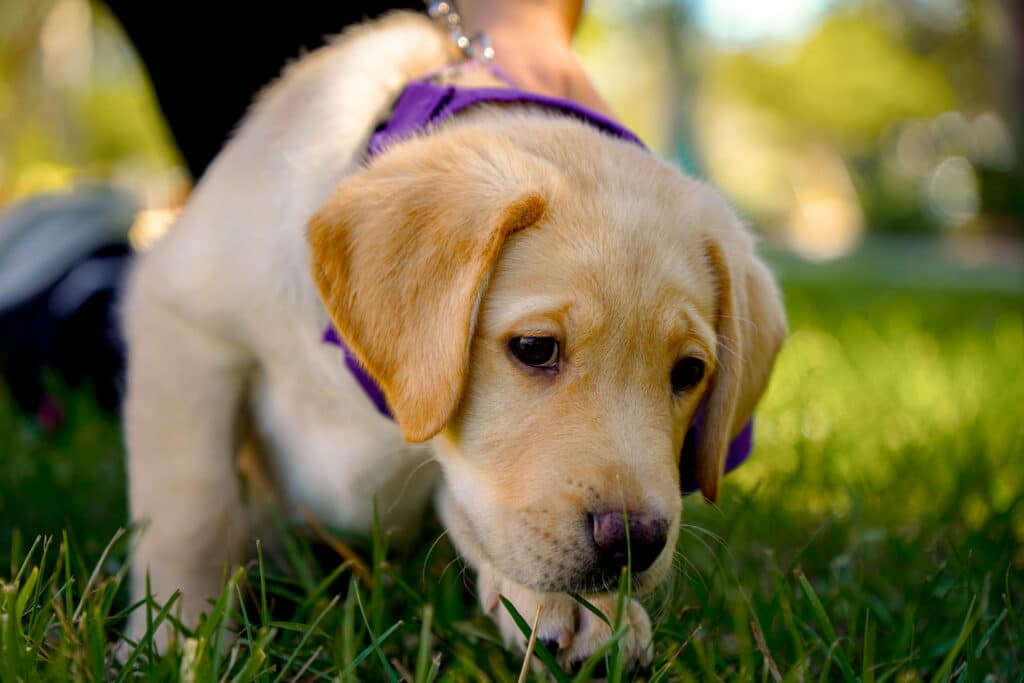
Consistency is crucial. Make sure everyone in the household uses the same designated spot and follows the same routine. Take your puppy to this spot immediately after eating, drinking, waking up, or finishing crate time. Frequent trips are especially important for young puppies with tiny bladders, as they can’t hold it for long. By sticking to a solid routine, you’ll help your puppy learn good habits and reduce the chances of an accident inside the house.
When your puppy pees or poops in the right spot, immediately reward them with praise and a treat. This positive reinforcement helps your puppy associate the designated area with going potty and encourages them to repeat the behavior.
If you catch your puppy having an accident inside, calmly interrupt and take them straight to the designated potty area. Avoid scolding—simply redirect and encourage them to finish their business in the right place. Afterward, clean any mess thoroughly with an enzymatic cleaner to remove lingering odors that might attract your puppy back to the same spot.
As your puppy becomes more reliable, you can gradually allow them more freedom around the house, always keeping a watchful eye to prevent setbacks. Most dogs will start to understand the routine and become fully potty trained in about a week, but remember that every puppy learns at their own pace. If you notice ongoing accidents or suspect medical issues, consult your vet for guidance.
With constant supervision, a clear routine, and plenty of positive reinforcement, your puppy will quickly learn where to go potty. This approach not only helps your puppy become fully potty trained but also sets the foundation for a clean, happy home and a confident, well-behaved dog.
Pair the Cue with the Action
Our raisers introduce the “busy” cue from the very beginning.
The timing is important: say “busy busy” calmly and clearly just as the puppy begins to eliminate. This creates an association between the phrase and the action. As you’re teaching this, staying still helps the puppy focus on eliminating. Limit distractions so the puppy can concentrate.
As soon as the puppy finishes, immediately reward with enthusiastic praise—“Good busy!”—and, when appropriate, a small treat. Using rewards and verbal praise right after a successful “busy” encourages the puppy to repeat the behavior. Avoiding punishment for accidents and instead focusing on positive reinforcement leads to better training outcomes.
Over time, with repetition and consistency, the puppy begins to connect the cue with the behavior.
Why This Skill Matters
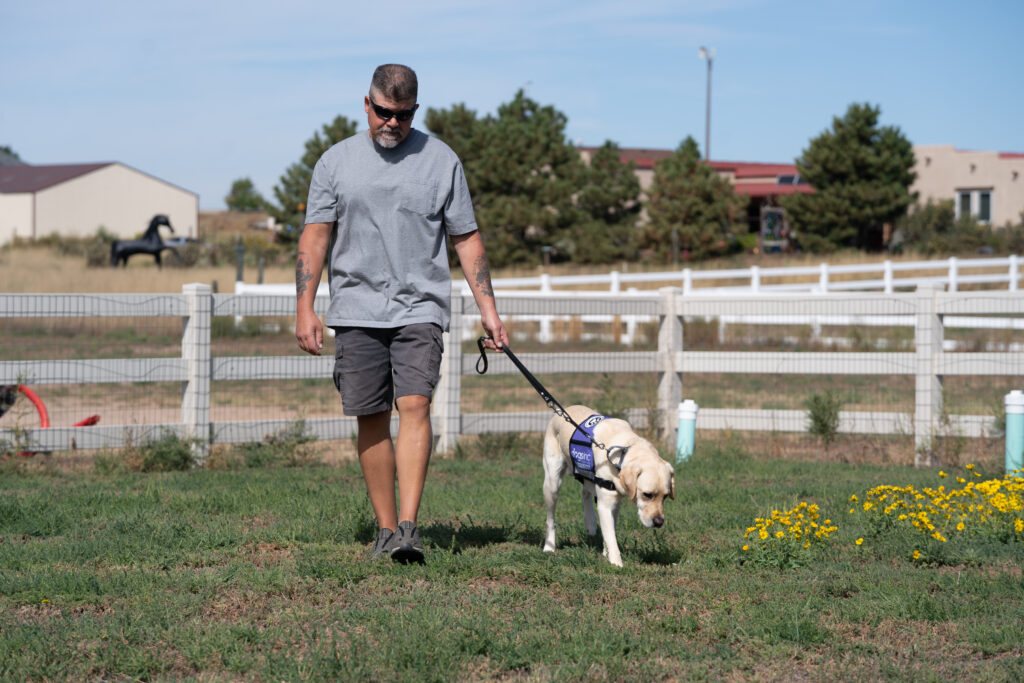
Teaching a puppy to relieve themselves on request is more than a convenience. For working dogs, it’s essential.
A reliable “busy” cue is especially helpful during travel, in unfamiliar locations, before appointments, or when weather conditions are less than ideal. The pup learns not just where to go, but when it’s appropriate to do so.
This level of clarity builds confidence for both the dog and their person.
Using a Crate to Support Training
Crate training can be a helpful tool during house training. Using a crate works because dogs are naturally clean animals and prefer not to eliminate in their living space. Dogs naturally avoid soiling their sleeping space, and a properly introduced crate can encourage them to hold their bladder until the next scheduled outing.
During house training, certain areas of the house should be off limits to the puppy to prevent accidents inside and establish clear boundaries. If a puppy is consistently having accidents in their crate, it may be due to excessive time in the crate or the crate being too large.
The crate should never be used as punishment. Instead, it becomes part of a consistent routine that supports learning and security.
Supervising and Observing Your Puppy
Constant supervision is essential during house training. Watch your puppy closely for signs that they need to go potty, such as sniffing, circling, or suddenly stopping play. When you notice these behaviors, quickly guide your puppy to the designated “busy” spot, using a leash to help guide and control your puppy during these trips. If you catch your puppy having an accident, don’t scold them. Instead, calmly use a cue word like “outside” and take them to the correct area. Once your puppy finishes, reward them with praise and a treat to reinforce the correct behavior. Using positive reinforcement and a consistent cue word helps your puppy learn what’s expected and speeds up the house training.
Dealing with Accidents
Accidents are a normal part of house training, especially with young puppies. If you discover a mess in the house, stay calm and avoid chastising them. Instead, use an enzymatic cleaner to remove any lingering scent that might encourage your puppy to use the same spot again. Remember, patience and consistency are key—accidents are just part of the training process as your puppy learns where to go potty.
Maintaining a Clean Environment
A clean environment is crucial for successful house training. Make sure the area you’ll use as a “busy” spot is free from distractions like food or toys, and keep it easily accessible for your puppy. Regularly disposing of waste and keeping the area tidy will help your puppy learn to go potty in the right spot. By maintaining cleanliness and sticking to a consistent routine, you’ll make house training a breeze.
Common Challenges
Progress varies from puppy to puppy. Some may show consistency within a week, while others need more time.
If your puppy isn’t responding to the “busy busy” cue yet, consider:
- Inconsistent timing of the cue
- Changes in routine, stress, or medical issues can cause regression in potty training; review your training schedule and environment
- Too many distractions at the “busy” spot
- Incomplete cleaning of previous accidents—if your puppy pees or poops frequently indoors, lingering odors may encourage repeat accidents; always use an enzymatic cleaner to fully remove smells
Accidents during potty training are common and should not be punished, as this can lead to fear and confusion in the puppy.
If frequent accidents persist, consult your vet to rule out a deeper issue such as urinary tract infections or other health concerns.
Setting Your Puppy Up for Success
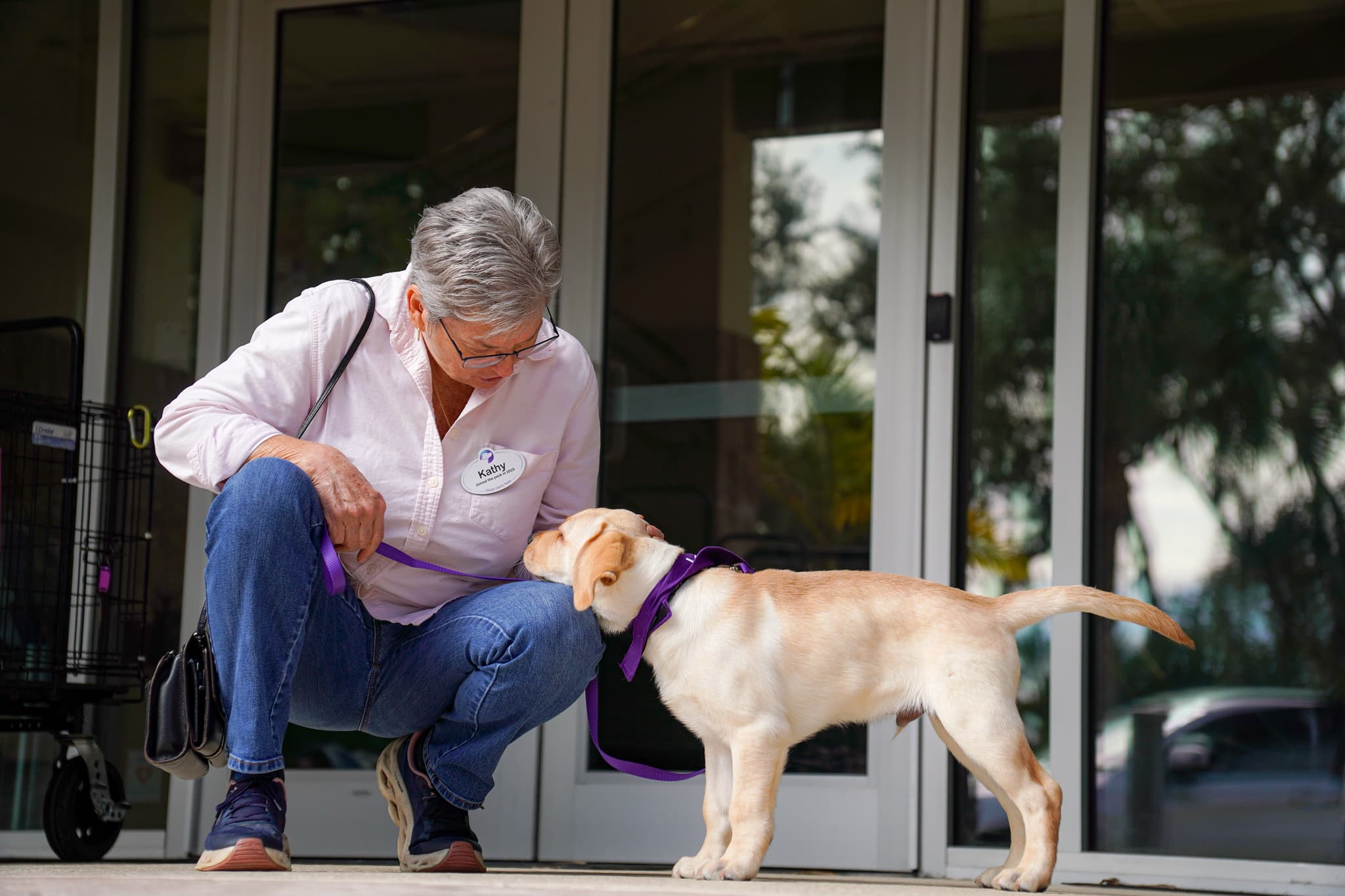
House training takes understanding, repetition, and encouragement. Use the same cue each time. Keep “busy” trips separate from play sessions so the purpose stays clear. It may take about a week or more for your puppy to reliably respond to the “busy” cue. Track patterns if needed to better understand your puppy’s rhythms—one of the best tips is to keep a log of when your puppy eats, drinks, and goes potty.
Most importantly, celebrate progress. Every successful “busy busy” moment builds a foundation for lifelong skills.
With consistency and positive reinforcement, your puppy will gain confidence—and you’ll both enjoy a smoother path forward.
