


The First 90 Days: What Puppies Learn Before You Even Meet Them
By the time most people meet a puppy, important learning has already begun. The first 90 days are a major part of puppy development, shaping how a young puppy responds to the world, builds confidence, and develops lifelong behaviors.
During these early puppy development stages, puppies absorb information quickly. Everyday experiences—from meeting new people to hearing unfamiliar sounds—help puppies begin developing emotional resilience, curiosity, and trust.
For future guide dog and service dog puppies, those early experiences matter even more. At Dogs Inc, volunteer puppy raisers, puppy sitters, and fellow volunteers help each pup build a strong foundation before formal training even begins.
Why the First 90 Days Matter
 The earliest weeks of puppy development are often called a critical socialization period. Puppies are naturally curious during this age, making it the ideal time to safely introduce them to new environments, people, animals, and routines.
Positive experiences during these puppy learning stages help dogs become more confident and adaptable later in life. Exposure to household noises, public places, children, other pets, and changing environments teaches puppies how to navigate the world calmly and comfortably.
Even simple moments—a short walk, resting in a crate, or meeting friends—help puppies recognize that new experiences can be safe.
What Puppies Learn Before They Go Home
Before a puppy joins a future family or enters professional training, they begin learning basic skills through daily life.
Young puppies develop social behavior through interactions with littermates and caregivers. Through play and structure, they begin understanding boundaries, communication, and house manners.
As puppies continue developing, they may also begin crate training, basic obedience, and simple routines involving food, exercise, rest, and socialization. These experiences help build confidence while creating healthy habits early on.
Exposure to different textures, sounds, and environments also supports puppy behavior development. Each individual puppy responds differently, so consistency and patience are important parts of the process.
The Role of Puppy Raisers
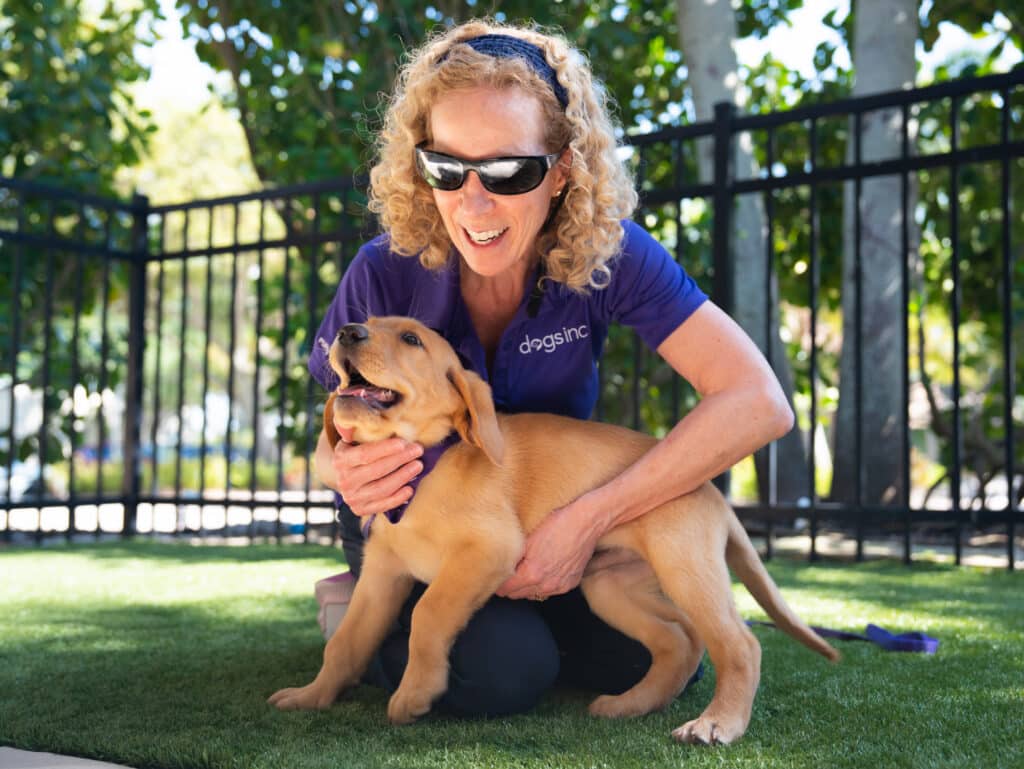 Puppy raising is both hard work and a rewarding experience. Volunteer puppy raisers help guide puppies through critical stages of development while preparing them for future training.
A puppy raising program typically includes socialization, crate routines, public outings, exercise, and reinforcement of basic obedience and house manners. Puppy raisers help puppies safely manage new experiences while building trust and confidence.
Volunteer puppy raising is also supported by a larger community. Fellow puppy raisers, puppy sitters, area coordinators, and other volunteers help provide guidance and support throughout the journey.
At Dogs Inc, puppy raising volunteers play an important role in helping guide dog puppies develop the emotional foundation needed for future success.
How Service Dog Puppies Are Raised Differently
Service dog puppy development focuses heavily on confidence, adaptability, and calm behavior around distractions.
Volunteer puppy raisers gradually introduce puppies to public places, household environments, and unfamiliar situations so they can socialize safely and comfortably. Puppies may experience stores, restaurants, elevators, sidewalks, and busy community spaces as part of their early training program.
Rather than expecting perfection, the goal is to help each pup become confident and emotionally balanced before formal training begins. Positive reinforcement, consistency, and structure all help support the process.
These early experiences prepare guide dogs and service dogs for the advanced professional training they may receive later.
Small Experiences Shape a Puppy’s Future
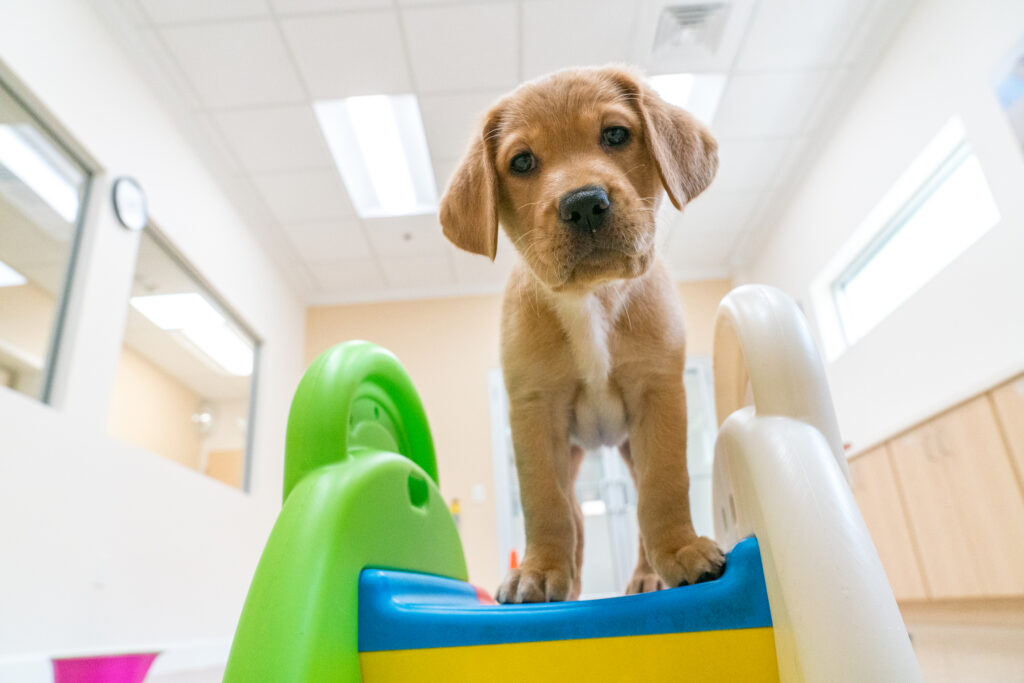 During puppy development stages, everyday moments can have a lasting impact.
Learning to relax in a crate, hearing loud sounds, meeting new people, or exploring unfamiliar places all help puppies develop resilience and confidence. Repeated positive experiences teach puppies how to adapt to changing situations throughout life.
Structure also matters. Predictable routines involving food, exercise, play, training, and rest help puppies feel secure while continuing to grow emotionally and socially.
Over time, these experiences help puppies become more confident dogs that can better support the person they may one day serve.
What Future Puppy Owners Can Learn
Future puppy owners can learn a great deal from puppy raisers and fellow volunteers.
One of the biggest lessons is that puppy raising takes patience and consistency. Puppies are constantly learning, and progress often happens gradually over weeks and months.
Early socialization is equally important. Helping a puppy socialize with new people, pets, and environments can encourage calmer behavior and greater confidence later on.
Puppy raisers also understand the value of structure. Crate training, exercise, basic skills, and household routines all help puppies develop healthy habits while strengthening the bond between dogs and family members.
Final Thoughts

The first 90 days help shape a puppy’s future long before advanced training begins. Through socialization, structure, encouragement, and support, puppies develop the confidence and emotional foundation they will carry throughout life.
At Dogs Inc, volunteer puppy raisers, puppy sitters, and fellow volunteers help future guide dogs and service dogs begin that journey one experience at a time.
Interested in becoming a volunteer puppy raiser, supporting a puppy raising program, or following the next puppy’s journey? Learn more about how Dogs Inc helps puppies grow into remarkable dogs that change lives.
