

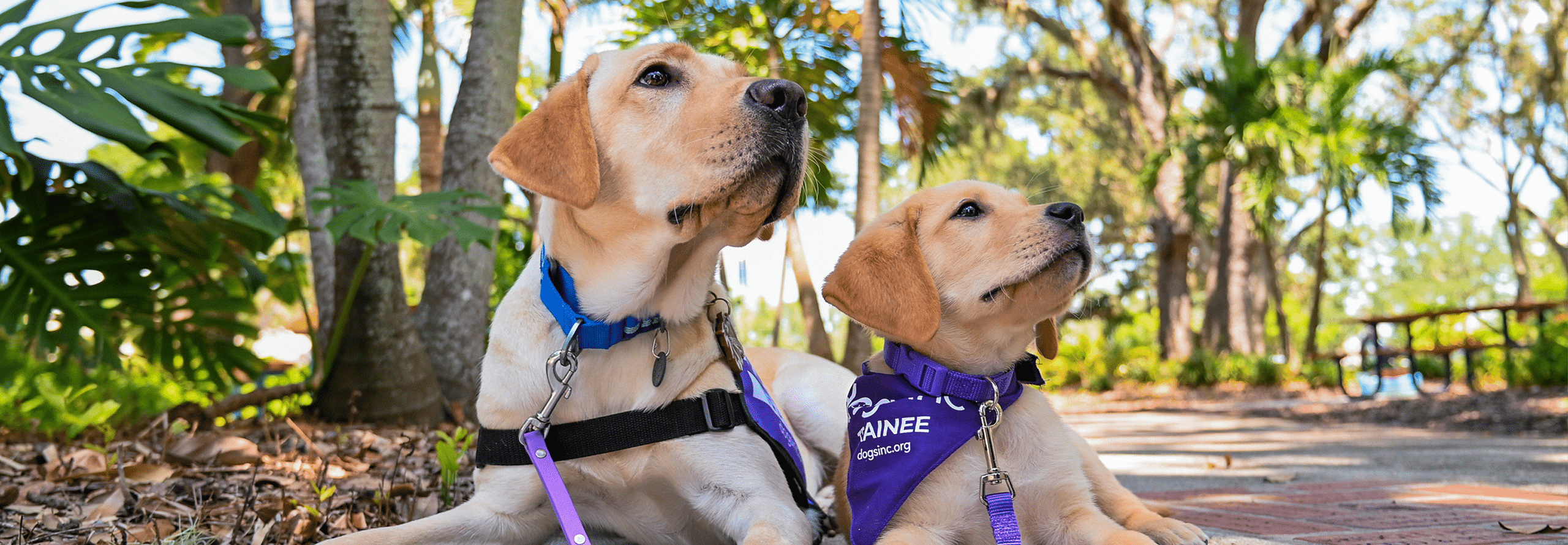
The Hidden Challenges of Raising a Future Service Dog
Raising a future service dog is meaningful work. You help shape a puppy who may one day support a person’s independence and daily life. But the reality of puppy raising may feel more demanding than you might think. It requires structure, patience, and a commitment to doing the small things well—every day.
Here’s an honest look at the challenges of raising a service dog.
What It Means to Raise a Future Service Dog
Volunteer puppy raisers play a key role in preparing future working dogs.
Through a structured puppy raising program, a puppy typically comes home at around eight weeks old. During this raising period, the focus is on house manners, basic obedience, and early socialization. Puppy raisers help puppies in training build confidence in the world—at home, in their local community, and in public locations.
This stage of working dog puppy training focuses on teaching basic skills and cues that prepare dogs for advanced, formal, and professional training. You’re not creating fully trained service dogs yet—you’re building the foundation that allows them to succeed later in a structured training program.
Support comes from a service dog organization, including guidance from instructors, an area coordinator, and connections with fellow puppy raisers.
Challenge 1: Consistency Every Single Day
What This Looks Like
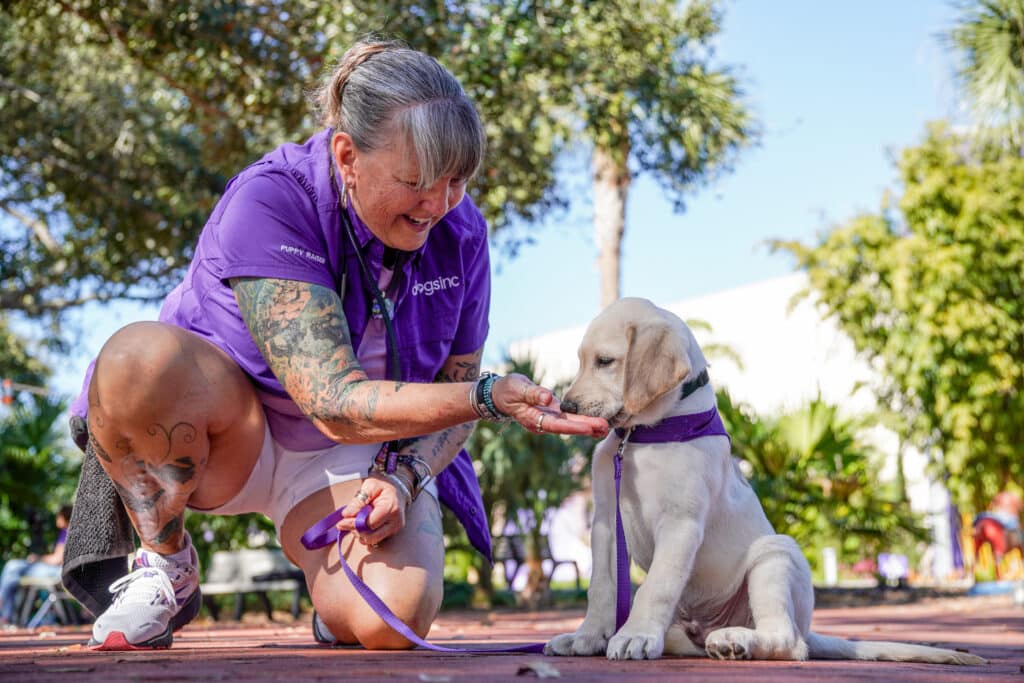
Consistency drives all training.
Basic obedience and basic cues—sit, stay, loose-leash walking—are reinforced daily. Obedience training is built into routines at home, during walks, and in everyday life. Expectations stay the same whether you’re in your home, around other pets, or out in public.
Why It’s Challenging
It requires discipline and alignment.
Everyone in the household—including family, children, and anyone interacting with the pup—needs to follow the same approach. Inconsistency can slow progress and confuse the puppy.
Training doesn’t pause when life gets busy, which makes consistency one of the biggest challenges of raising a puppy for service work.
Challenge 2: Training in Real-World Environments
What This Looks Like
Puppies in training need exposure beyond the home.
Volunteer puppy raisers bring their pups to stores, restaurants, parks, and other public locations. These outings help dogs practice calm behavior and focus in real-world settings, preparing them for future service roles.
Why It’s Challenging
The world is unpredictable.
Distractions like noise, food, other animals, and movement are constant. Public attention adds another layer, as people often want to interact with service dogs in training.
Balancing the environment, your pup’s behavior, and public interaction requires focus and patience.
Challenge 3: Managing Distractions and Behavior

What This Looks Like
Young puppies get distracted.
They may pull toward other dogs, react to new environments, or lose focus. Training involves redirecting behavior, reinforcing calm responses, and repeating basic skills.
Why It’s Challenging
Progress isn’t linear.
Some days show improvement, while others require repetition. Service dog puppy training relies on patience, consistency, and clear communication to teach reliable behavior over time.
You’re not just teaching cues—you’re helping the puppy learn how to move through the world with confidence.
Challenge 4: Time Commitment
What This Looks Like
Puppy raising requires daily structure and planning.
Training, socialization, feeding a healthy diet, and scheduling veterinary care or vet care appointments are ongoing. Monitoring health, managing flea prevention, and maintaining routines all become part of daily life.
Why It’s Challenging
It’s a serious commitment.
Schedules often revolve around the puppy. While many programs help cover veterinary care and medical expenses, the time investment remains significant.
Raising a puppy for service work means adjusting your routine for months, not just weeks, and making space for consistent training, rest, and care.
Challenge 5: The Emotional Side—Letting Go
What This Looks Like
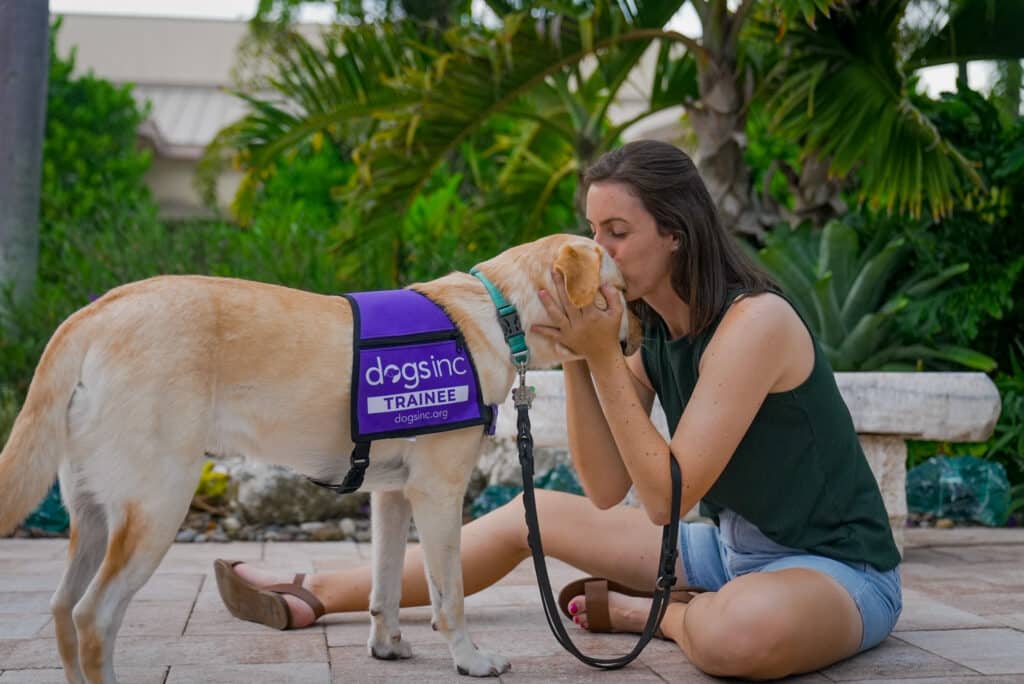
Over the raising period, a strong bond forms between you and your puppy.
At the end of this stage, the dog returns for advanced and formal training as part of their path toward becoming one of many trained service dogs or guide dogs.
Why It’s Challenging
Letting go is difficult.
After months of raising pups, the attachment is real. The puppy has been part of your daily life, routines, and home.
Reframing
Your puppy is moving forward in a structured training program to support a person’s life. The work you’ve done helps prepare them for that role—supporting greater independence and long-term impact.
Challenge 6: Living as a Training Environment
What This Looks Like
Your home becomes part of the training environment.
You reinforce house manners, guide behavior, and provide structure throughout the day. Tools like a crate support rest, routine, and consistency, helping the puppy reset and stay balanced.
Why It’s Challenging
There’s limited “off” time.
You’re consistently aware of your puppy’s behavior and how to guide it. Everyday life—from errands to quiet moments at home—becomes part of the training process.
How Support Makes It Possible
Volunteer puppy raisers are supported throughout the process.
Our organization provides structured training, guidance, and resources. instructors and an area coordinator offer direction and feedback. Fellow puppy raisers provide insight and encouragement based on shared experience.
Support may also include puppy sitting or access to a puppy sitter when needed, helping maintain consistency in the puppy raising process.
Across different regions, local community support plays an important role in helping volunteers succeed.
Why It’s Still Worth It
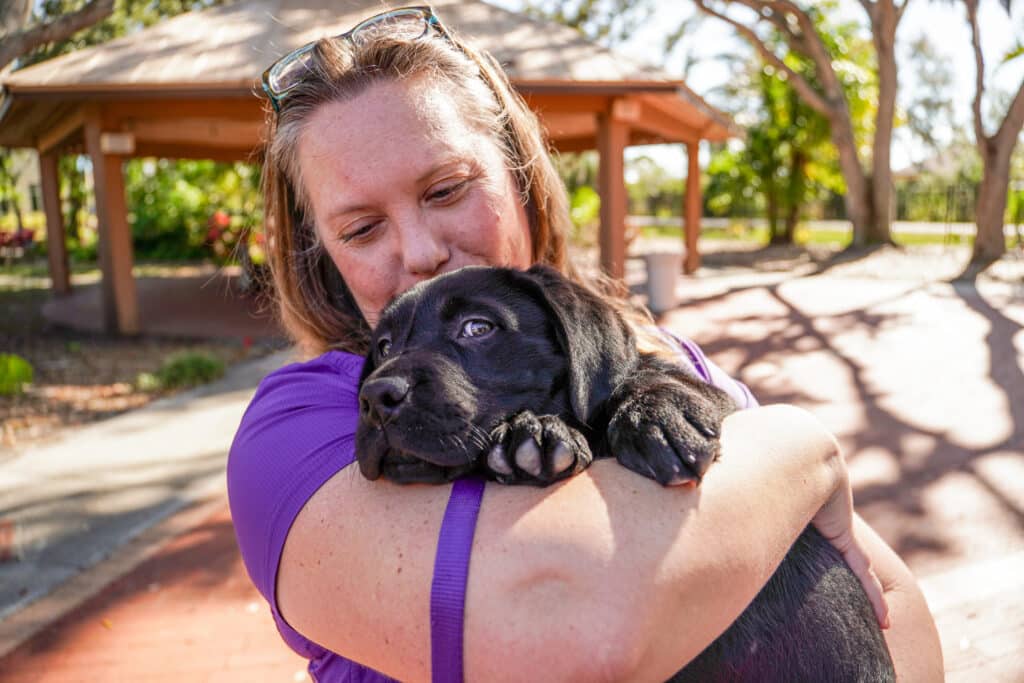
Puppy raising contributes to something larger.
You help prepare dogs for advanced training and future service work. These dogs go on to support a person’s daily life, increasing independence, confidence, and connection.
You also see growth firsthand—from a young puppy learning basic skills to a confident dog ready for the next stage of training.
Who Should Consider Puppy Raising
Puppy raising can be a good fit for people who:
- Are ready for a serious commitment
- Can maintain consistency in training
- Are open to learning and following a structured program
Puppy raising works for individuals, families, students, and retirees. Many service dog organizations begin with an application, a form submission, and a phone interview to determine fit.
Final Thoughts

The challenges of raising a service dog are real—consistency, time, patience, and emotional investment.
So is the impact.
Volunteer puppy raising helps build the foundation for service dogs who support people in meaningful ways. If you’re interested in raising a puppy for service work, contact Dogs Inc to learn more, explore the program, and take the next step toward getting involved.
You Might Also Be Interested In:
What Conditions Qualify for a Service Dog?
How Much Does a Service Dog Cost? Essential Insights and Budget Tips
Service Dog Access Laws: Your Rights, Responsibilities, and What to Expect
