


What Makes a Dog “Right” for Service Work? Inside the Selection Process
When people see a service dog confidently guiding a handler through a crowded airport or providing support during a stressful moment, they’re witnessing years of careful development in action.
What they don’t see is everything that happens before that partnership begins.
Not every dog is naturally suited for service work. While many dogs are intelligent, loving, and eager to learn, successful service dogs often possess a unique combination of confidence, calmness, adaptability, and resilience that allows them to thrive in a constantly changing world.
The service dog selection process isn’t about finding the “best” dog. It’s about identifying dogs whose natural temperament and personality make them well-suited for the important work ahead. At organizations like Dogs Inc, that evaluation begins long before a dog ever wears a working harness.
Why Temperament Matters in Service Work
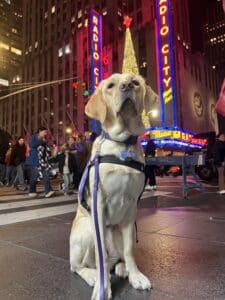
A service dog’s job extends far beyond following cues or demonstrating obedience.
Service dogs accompany their handlers through busy stores, crowded events, airports, restaurants, medical appointments, and countless other environments filled with unexpected sights, sounds, and distractions. To work safely and effectively, they must remain calm, focused, and thoughtful, even when the world around them feels unpredictable.
That’s why service dog temperament is one of the most important factors in determining a dog’s potential, and a temperament test can be one tool used to evaluate a service dog candidate.
Service work requires emotional regulation. Dogs must be able to recover from surprises, adapt to new situations, and continue working confidently without becoming overwhelmed. Evaluators look for balance in the dog’s temperament, avoiding excessive fear or aggression while still seeing the sociability and independence that can mark a suitable candidate. Dogs that are overly reactive or aggressive are not appropriate for public access work because those behaviors can create safety risks in busy environments.
These qualities help create reliable partnerships built on trust and consistency. A good service dog is also motivated to work closely with a person and stay focused on the handler for long periods.
What instructors Look for During Temperament Testing in the Selection Process
The process of evaluating a future service dog begins early and continues throughout development.
Instructors observe how dogs respond to a wide variety of experiences, including new environments, unfamiliar people, unexpected sounds, and everyday distractions. They also use formal assessments and a temperament test at key stages to measure behavior more consistently. These observations help paint a picture of each dog’s natural tendencies, strengths, and overall characteristics.
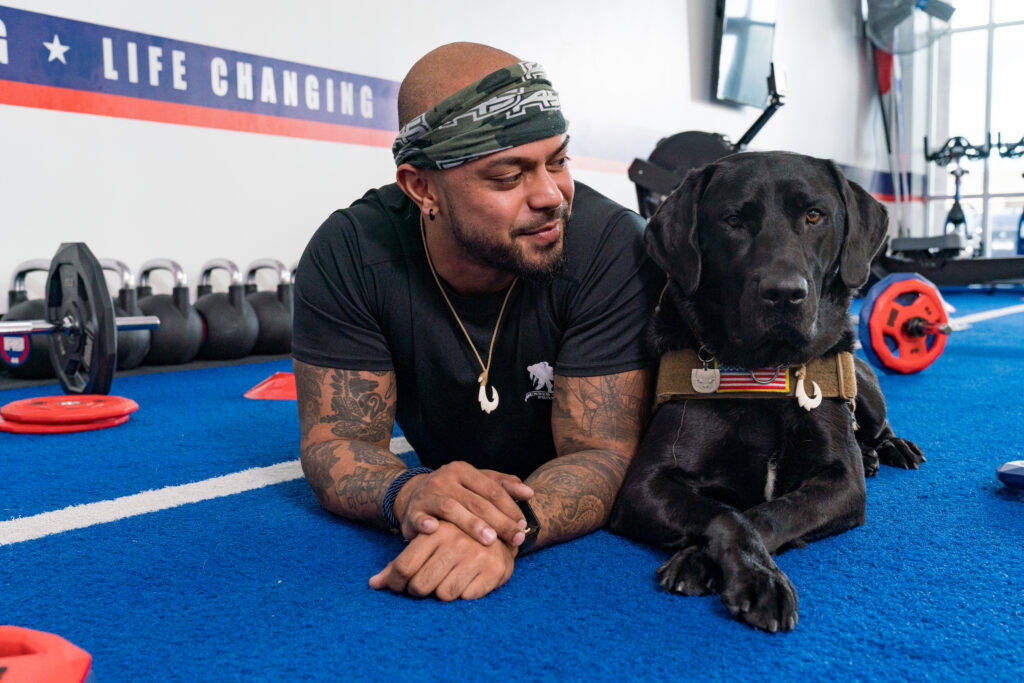 Some of the qualities instructors look for include:
- Confidence in unfamiliar situations
- Adaptability when routines change
- Focus around distractions
- Resilience after startling experiences
- Appropriate curiosity without excessive excitement
- A willingness to engage and work with people
Importantly, service dog behavior evaluation is never based on a single moment. Like people, dogs have good days and challenging days. Evaluations occur over time, allowing instructors to see patterns in behavior rather than isolated reactions. That long view is an important point, and some programs use tools such as the CARAT (Clothier Animal Response Assessment Tool) to categorize behavior traits and rule out unsuitable service dog prospects. Evaluations also become more predictive at around 18 months, when temperament is more stable than it is in a very young pup.
Why Emotional Stability Is So Important
Service dogs spend much of their lives navigating environments that can be overwhelming even for humans.
A dropped shopping basket, a crowded elevator, a busy intersection, or a sudden loud noise can happen at any time. Emotional stability allows a dog to acknowledge these experiences, recover quickly, and continue working.
This calm behavior is also critical for safety. Handlers rely on their service dogs to make thoughtful decisions and remain focused in situations where distractions are everywhere. A dog that can recover quickly from stress is often better equipped for service work than a dog that appears fearless but struggles to regulate emotions when things don’t go as expected.
Over time, this emotional stability becomes one of the foundations of trust between a service dog and handler.
How Puppy Raisers Help Identify Service Dog Candidate Potential
 Long before formal training begins, puppy raisers play an important role in helping identify future service dog potential, and most dogs start with early socialization and basic obedience before any advanced service work is considered.
Through everyday experiences, puppy raisers observe how young dogs respond to the world around them. A trip to the grocery store, a walk through a neighborhood, or a visit to a community event can reveal valuable information about a puppy’s confidence, focus, and adaptability.
These everyday moments often provide some of the most meaningful insights. A puppy or even an entire litter may show early signs, but those observations are only one part of identifying strong prospects.
Puppy raisers help expose future service dogs to a wide variety of environments while sharing observations with instructors throughout the dog’s development. Together, these experiences help create a clearer picture of each dog’s strengths and areas for growth, and early support from an experienced dog instructor can help puppy raisers evaluate a young dog more effectively.
Why Not Every Dog Is Suited for Service Work
One of the most important parts of the service dog selection process is recognizing that not every dog enjoys or thrives in service work.
Some dogs may find busy public environments stressful. Others may prefer a more active lifestyle than service work requires. Still others may simply be happier pursuing a different path.
And that’s perfectly okay.
The goal is never to force a dog into a role that doesn’t fit. Instead, the evaluation process helps ensure that each dog’s natural personality aligns with the demands of service work.
When a dog is not selected to continue in a service dog program, it does not mean the dog has failed. It simply means another path may be a better fit. Many dogs go on to live happy, successful lives in loving homes or alternative careers.
Ultimately, the process protects both the dog’s well-being and the future handler who will rely on a trusted partner every day.
The Role of Training in Service Dogs
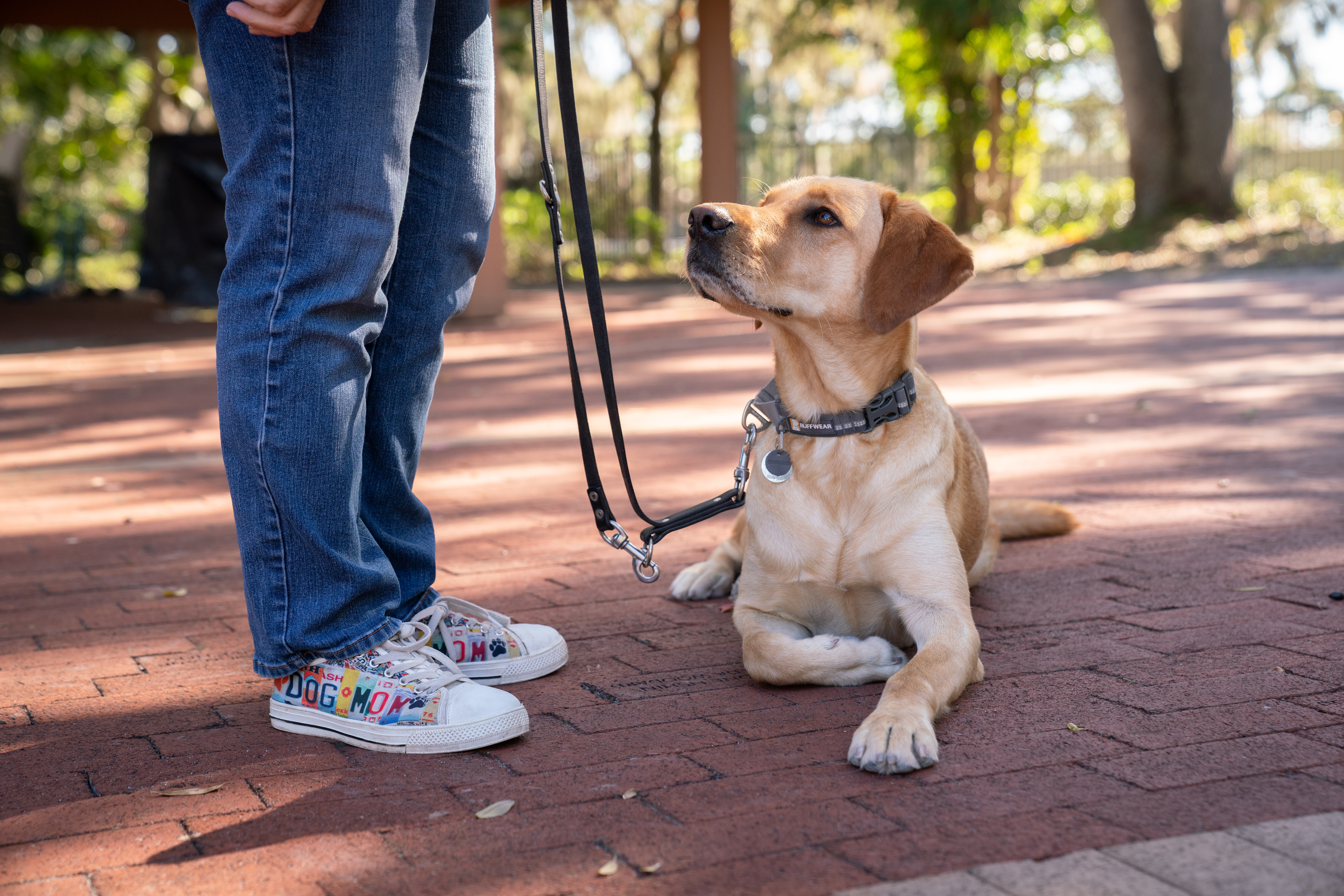 Temperament provides the foundation, but training supports calm behavior in public and helps shape potential into practical skills.
Through positive reinforcement and gradual exposure to new experiences, dogs learn how to remain focused, confident, and composed as they prepare to perform tasks in increasingly complex situations.
Training includes:
- Public access skills
- Distraction work
- Environmental exposure
- Emotional regulation
- Task-specific skill development to perform specific tasks for a handler
- Building confidence in unfamiliar settings
This process moves from basic skills into advanced training and often requires extensive training over time.
As dogs progress, they learn how to navigate the challenges of working life while matching their tasks to the handler’s daily needs and learning to perform specific tasks with steady reliability.
The result is a dog that is not only highly skilled but also capable of making thoughtful decisions in real-world environments, whether that means opening doors or providing balance support.
Service dogs may be trained as guide dogs, hearing dogs, mobility assistance dogs, psychiatric service dogs, autism service dogs, diabetic alert dogs, or allergy detection dogs. Hearing dogs can alert handlers to fire alarms, and psychiatric service dogs may create a physical barrier in crowded spaces; guide dogs are taught to follow cues safely and may refuse an unsafe cue.
Small Behaviors Reveal Big Potential
When people imagine service dog evaluations, they often picture dramatic tests or impressive demonstrations.
In reality, some of the most meaningful indicators of future success appear in quiet, everyday moments, revealing a dog’s baseline energy level and ability to stay focused.
How does a puppy respond after hearing an unexpected sound? How quickly do they refocus after a distraction? Can they adapt when plans change? For example, these observations can show when a high-drive dog may be very trainable yet still struggle to settle for long periods; high-energy herding breeds like Border Collies and Australian Shepherds often fit that pattern, which can make them less likely to become a good service dog.
These small behaviors often reveal more about a dog’s long-term potential than flashy performances ever could.
Consistency, emotional stability, focus, and adaptability are traits that develop over time. They are built through thousands of everyday experiences and reinforced through careful guidance and training.
Key Characteristics That Make a Service Dog Successful
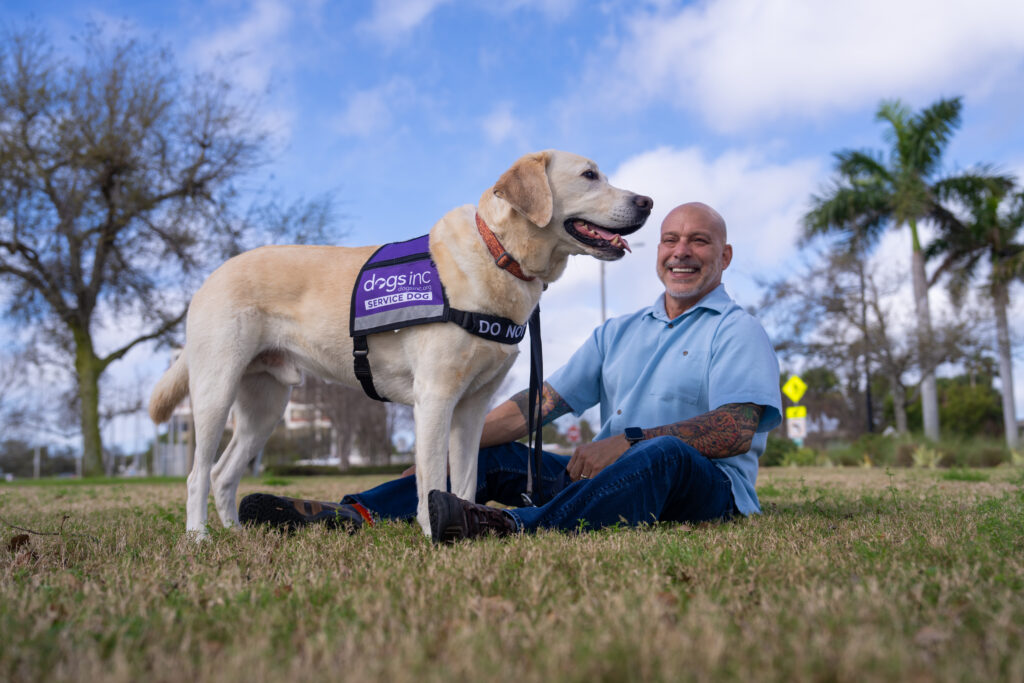 Successful service dogs combine many qualities: confidence, adaptability, emotional stability, resilience, and a strong desire to work alongside people. While individual temperament matters most, certain breeds such as Labrador retrievers and golden retrievers are often favored for their cooperative nature, low prey drive, and ability to tolerate unpleasant conditions.
Many of the key characteristics that make a great service dog appear in quiet moments that most people never notice. A thoughtful pause. A calm recovery. A steady focus amid distraction.
Those moments matter.
By carefully evaluating future service dog candidates throughout their development, organizations like Dogs Inc help create partnerships where both dogs and handlers can succeed together, while avoiding wasted time and money on dogs unlikely to succeed in service work.
Learn More
Interested in following the journey of future service dogs? Learn more about service dog training, and how service dogs differ from therapy dogs, emotional support animals, emotional support dogs, and other animals that provide emotional support, explore puppy raising opportunities, or discover how you can support the next generation of life-changing partnerships at Dogs Inc.
