

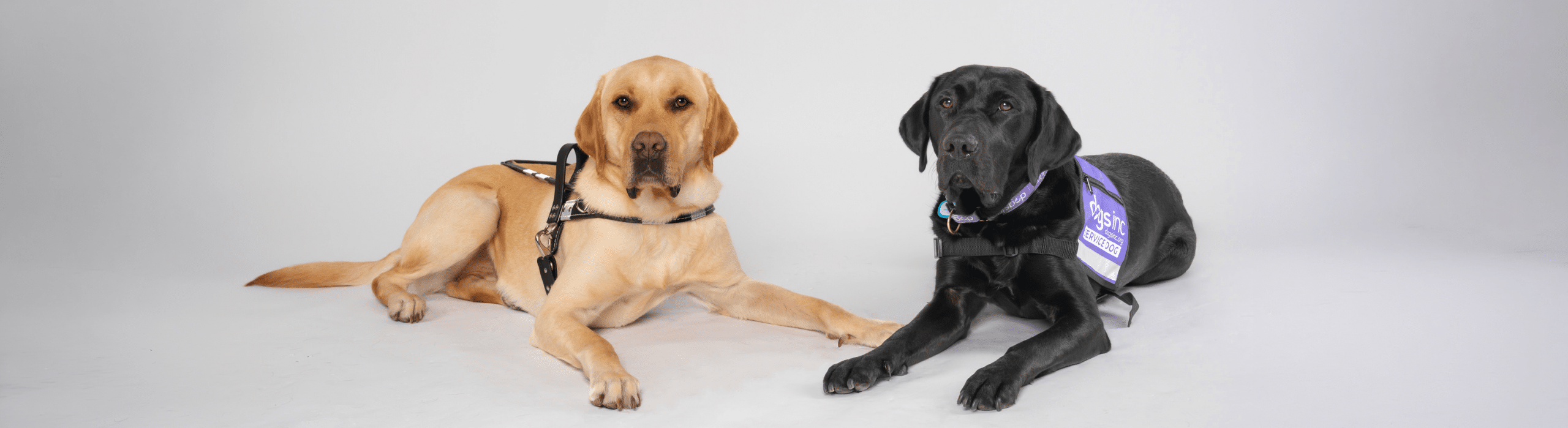
Why So Many Guide and Service Dogs Are Labrador Retrievers
When most people picture a guide dog or service dog, chances are they’re imagining a Labrador Retriever.
That’s no coincidence. Labrador Retrievers have been a cornerstone of guide and service dog programs for decades thanks to a unique combination of temperament, trainability, adaptability, and a strong desire to work with people.
While many breeds can succeed in working roles, Labrador Retrievers consistently demonstrate qualities that make them especially well suited for guide and service work. Organizations like Dogs Inc evaluate each dog as an individual, but the breed’s characteristics often give Labs a strong foundation for success.
What Defines a Great Guide or Service Dog?
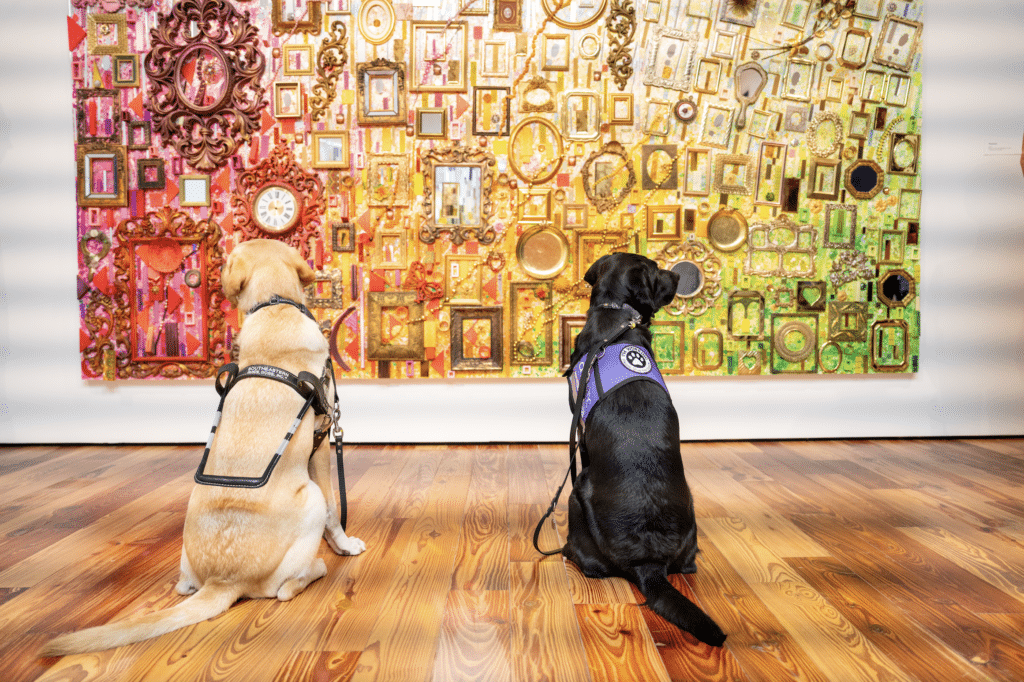 Successful guide dogs and service dogs share a unique combination of traits that allow them to work safely and confidently in a wide range of environments.
A guide dog may need to navigate a crowded airport, ignore distractions in a busy restaurant, stop safely at a curb, and remain focused despite unexpected noises. A service dog may need to perform tasks that help mitigate the effects of a disability while remaining calm in public spaces, workplaces, schools, and community settings.
To succeed, working dogs need emotional stability, confidence, focus, adaptability, and the ability to recover quickly from unexpected situations. This combination of qualities is often referred to as service dog temperament or guide dog temperament.
Breed can influence certain characteristics, but breed alone does not determine success. Every service dog candidate is evaluated as an individual. While Labrador Retrievers, Golden Retrievers, and some other breeds are common in assistance dog programs, temperament remains one of the most important factors.
Labrador Retrievers Have the Right Temperament for the Job
One reason Labrador Retrievers are so common in guide and service dog programs is their people-oriented nature.
The typical Labrador Retriever temperament is marked by a friendly, outgoing nature, intelligence, and a willingness to engage with people. Labs are often described as highly trainable, eager to please their owners, and generally easy to work with. Many Labrador Retrievers genuinely enjoy partnering with humans, making them well suited for roles that require daily teamwork and interaction. This combination of temperament and versatility helps explain why Labradors are often considered the most popular service dog breed.
A Labrador Retriever service dog or Labrador Retriever guide dog may accompany its handler through airports, grocery stores, workplaces, medical appointments, and community events. These environments require emotional stability and the ability to remain focused despite distractions, and Labs are versatile enough to learn complex tasks needed across different settings.
Labs also tend to recover quickly from new or unexpected experiences. Rather than becoming overwhelmed by a sudden noise, crowded environment, or unfamiliar location, many are able to regain focus and continue working. That resilience is an important part of successful service work.
Trainability Matters in Working Dogs
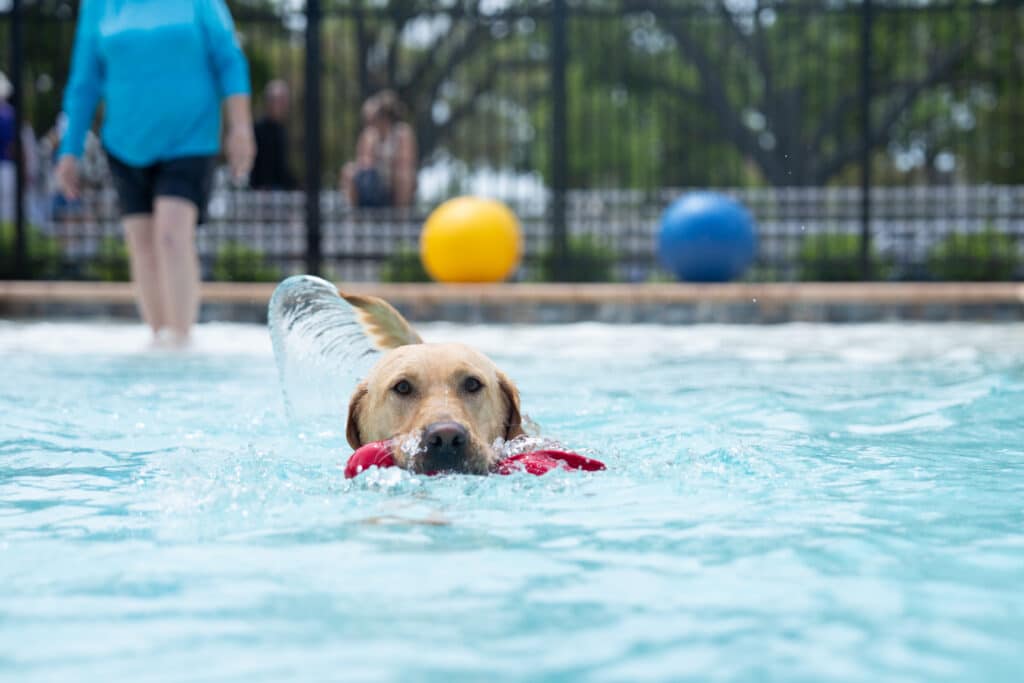 Guide and service dogs learn far more than basic obedience.
Depending on their role, dogs may learn complex skills that take months or even years to develop. Guide dogs learn to navigate obstacles, stop at curbs, and safely guide their handlers through public spaces. Service dogs learn to perform tasks that support greater independence and quality of life.
Labrador service dog training often benefits from the breed’s eagerness to learn and willingness to work. While every dog is different, Labrador Retrievers are widely recognized as a smart breed that is easy to train and eager to engage with instructors and handlers.
Positive reinforcement plays a major role in guide dog training and service dog development. Consistency, patience, and clear communication help dogs build skills and confidence over time.
The breed’s working history also contributes to its reputation for trainability. Originally developed as water dogs that assisted fishermen and later serving as hunting dogs, Labradors were bred to work closely with people. Those traits continue to benefit modern guide dogs, therapy dogs, search and rescue dogs, and dogs trained for bomb detection and other specialized roles.
Labrador Retrievers Excel at Building Human Partnerships
At the heart of every successful guide or service dog team is a strong partnership.
Guide dogs and service dogs do more than perform tasks. They work closely with a handler every day, building trust through communication, reliability, and shared experiences.
A successful guide dog partnership depends on mutual trust. Handlers learn to rely on their dogs, while dogs learn to respond to their handlers’ needs and cues.
Many Labrador Retrievers naturally thrive in partnership-based roles because they enjoy working alongside people. Their loving nature and desire for interaction often help foster the close relationships that are essential for long-term success.
Adaptability Helps Labrador Retrievers Succeed
No two days are exactly alike for a working dog.
A guide or service dog may ride an elevator in the morning, visit a crowded grocery store in the afternoon, and attend a sporting event that evening. Adapting to constantly changing environments is an important part of the job.
Many Labrador Retriever traits support this flexibility. Labs often demonstrate confidence in unfamiliar environments and resilience when faced with new experiences.
This adaptability is an important part of future service dog development. Dogs that can remain calm and focused while navigating changing surroundings are better prepared for public access work and the realities of daily life with a handler.
Why Labrador Retrievers Are Common in Guide Dog Programs
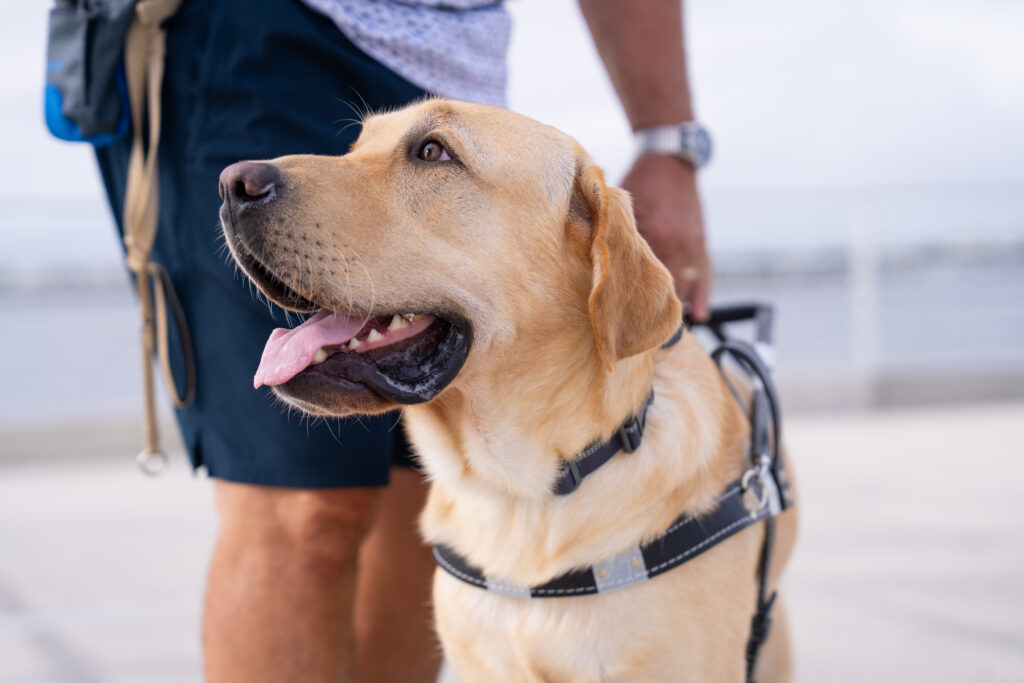 Labrador Retrievers are consistently ranked among the top dog breeds in the United States. The American Kennel Club (AKC) has long recognized the Labrador as one of the country’s most popular breeds.
The breed’s history helps explain its success. Labradors trace part of their ancestry to the Lesser Newfoundland, a hardworking dog used by fishermen. Over time, selective breeding and the development of the modern breed standard helped shape the Labrador Retriever into the dog breed we know today.
Many guide dog organizations choose Labrador Retrievers because they often demonstrate a balance of temperament, trainability, adaptability, and reliability. While Golden Retrievers and other breeds can also become excellent service dogs, many Labs possess qualities that make them particularly well suited for guide and service work.
However, being a Labrador Retriever does not automatically guarantee success. Every potential Labrador Retriever guide dog is carefully evaluated throughout its development and training journey.
Not Every Labrador Retriever Becomes a Working Dog
Training programs evaluate each service dog candidate based on temperament, confidence, emotional stability, focus, and overall behavior. These assessments help determine whether a dog is well suited for the demands of working life.
Some Labrador Retrievers may thrive in guide or service work, while others may be better suited for different careers or loving pet homes. Matching each dog to the right role helps ensure the best outcome for both the dog and the people it may serve.
This is true for many dogs, regardless of breed. Success depends on individual characteristics, not simply whether a dog is a Labrador.
How Labrador Retrievers Prepare for Guide and Service Work
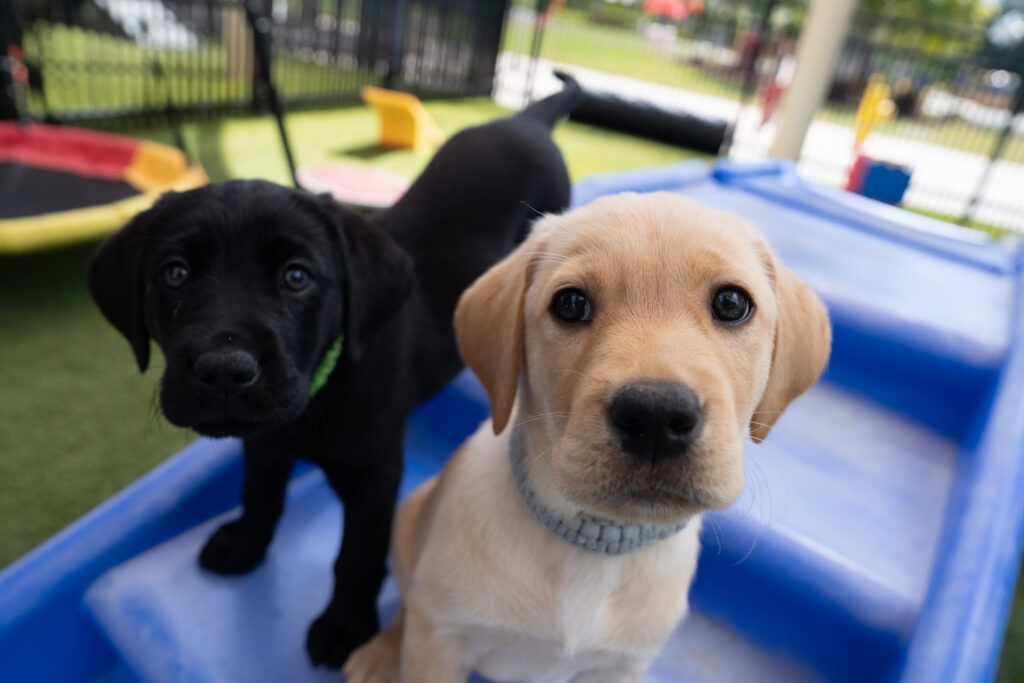 The journey toward becoming a working dog begins long before formal training.
From an early age, a Labrador puppy is exposed to new people, environments, sounds, surfaces, and experiences. These opportunities help shape puppy behavior and build confidence during important developmental stages.
Future guide dogs and service dogs learn foundational skills through socialization, obedience training, and exposure to everyday situations. They may encounter busy streets, shopping centers, public transportation, children, other animals, and unfamiliar environments.
Many programs also introduce foundational skills such as crate training, potty training, and appropriate behavior in public settings. These early lessons help build focus, confidence, and emotional regulation.
As dogs mature into adulthood, their training becomes more advanced, although some Labradors can still show puppy behavior until around three years old. Instructors continue reinforcing proper behavior for the adult dog while evaluating each dog’s temperament, focus, and ability to adapt to new situations. This careful process helps prepare future assistance dogs for the responsibilities they may one day carry.
Health Also Plays a Role
Temperament and training are important, but physical health matters too.
Labrador Retrievers are generally healthy dogs with a life expectancy of approximately 10 to 14 years. Adult Labradors typically weigh about 55-80 pounds depending on gender. However, like many popular dog breeds, they can be predisposed to certain inherited conditions.
Organizations that breed and train working dogs carefully monitor for conditions such as hip and elbow dysplasia, progressive retinal atrophy, and hereditary myopathy. Responsible breeding programs and reputable Puppy Parents use health testing and careful selection to reduce the risk of inherited health concerns.
Maintaining a healthy weight, providing enough exercise, and supporting both physical activity and mental stimulation are also important parts of raising healthy dogs capable of demanding work.
The Traits That Make Labrador Retrievers Exceptional Working Dogs
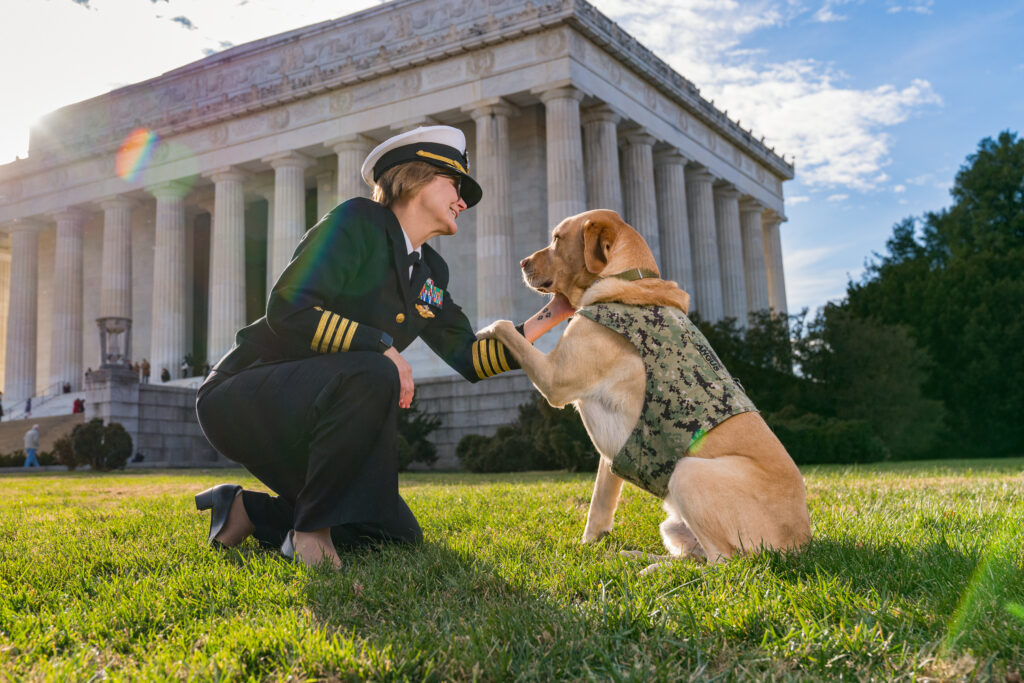 Labrador Retrievers have earned their reputation as guide dogs and service dogs through generations of partnership with people.
Their temperament, trainability, adaptability, intelligence, and willingness to work alongside humans make them strong candidates for these demanding roles. While not every Labrador Retriever becomes a working dog, the breed consistently demonstrates qualities that support successful partnerships.
Ultimately, what makes a great working dog is more than breed alone. It’s the combination of temperament, training, health, and individual strengths that allows a dog to build a life-changing partnership with the person who depends on them.
Learn More About Guide and Service Dog Training

Interested in learning more about how Dogs Inc selects, trains, and matches guide dogs and service dogs?
There’s always more to discover. Explore our website to learn about our training programs, meet the dogs and people behind our mission, and follow the journey from puppyhood to partnership. Or, book a campus tour and see firsthand how guide and service dogs prepare for their life-changing careers.
