

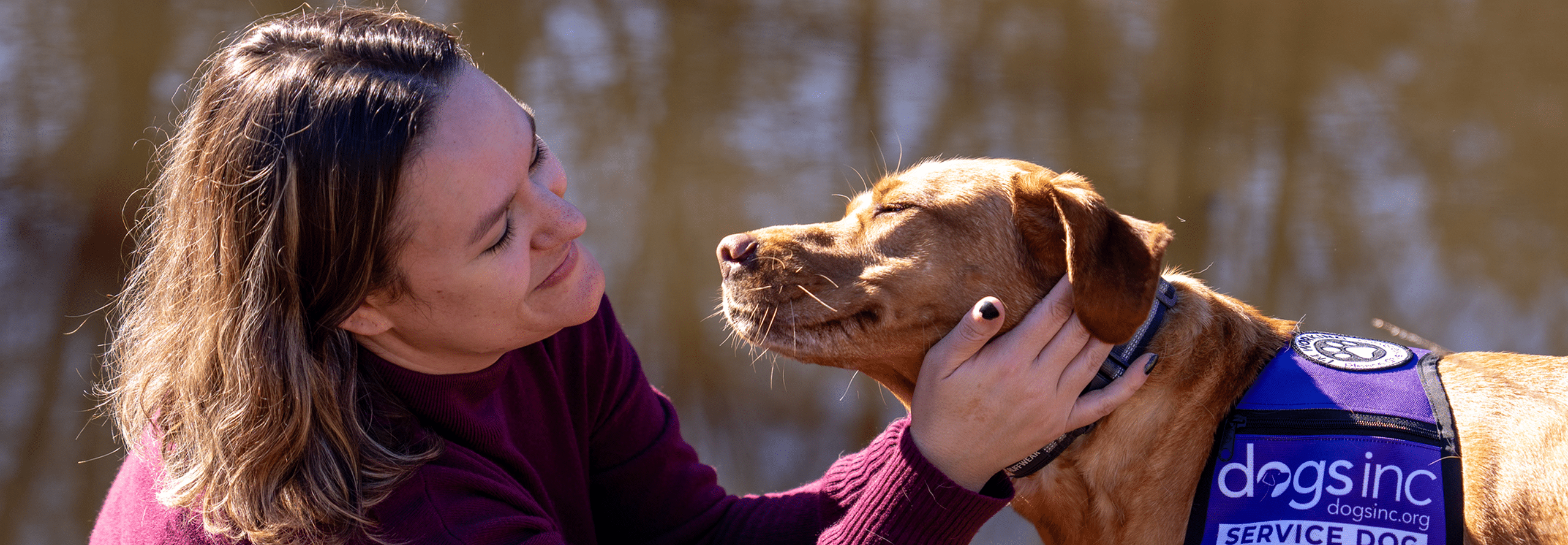
Can You Pet a Service Dog? Service Dog Etiquette Explained
It’s a common question: Can you pet a service dog?
When people see a service dog in public, they often notice how calm, focused, and friendly the dog appears. It’s only natural to want to say hello, offer a quick pet, or tell the dog they’re a “good boy.”
But while the intention is kind, the best way to interact with a working service dog is usually not to interact at all.
Understanding proper service dog etiquette helps protect the safety, focus, and well-being of both the dog and the person they assist. Whether you’re at a grocery store, restaurant, airport, or on public transportation, a little awareness can go a long way.
Why People Want to Pet Service Dogs
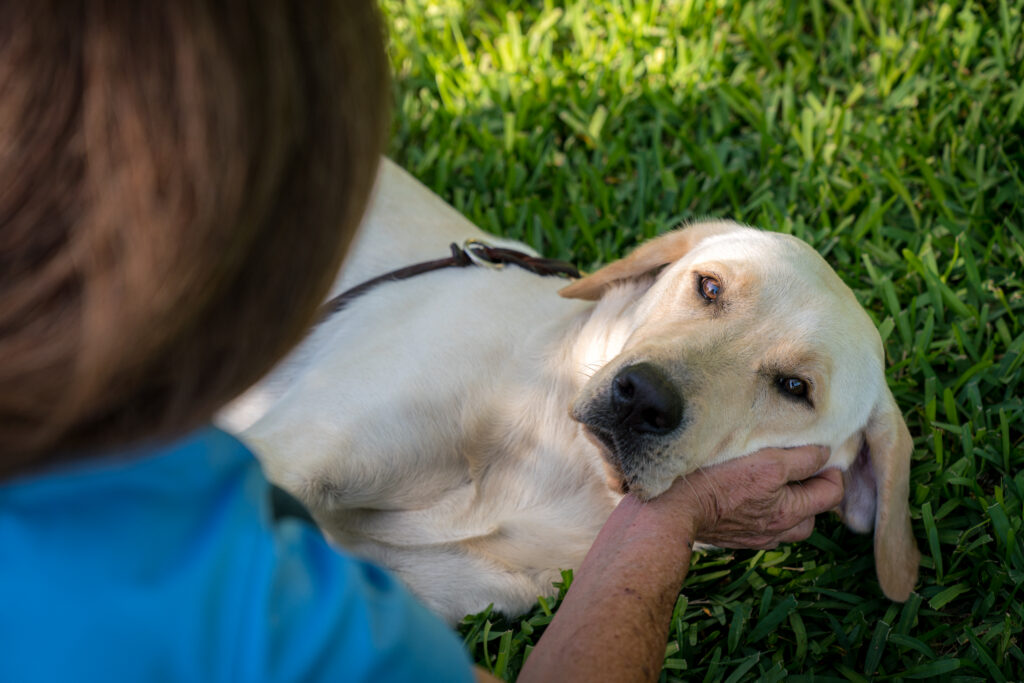 Most people love dogs. Service dogs are often especially appealing because they’re calm, attentive, and exceptionally well trained.
Unlike many pet dogs, a service dog remains composed in busy environments, ignores distractions, and stays focused on the person by their side. That level of training naturally attracts attention and curiosity.
However, it’s important to remember that a service dog is not simply a pet accompanying someone in public. These dogs are working partners that help people with disabilities navigate daily life with greater confidence and independence.
Many service dogs perform tasks that most people never notice, making it easy to forget they’re actively working even when they appear to be resting.
What Is a Service Dog?
Under the Americans with Disabilities Act (ADA), a service dog is a dog that has been individually trained to perform tasks for a person with a disability.
These tasks vary depending on the individual’s needs. A dog trained to assist someone who is visually impaired may guide them around obstacles. Other service dogs retrieve dropped items, open doors, provide mobility support, alert to medical conditions, or assist people living with post-traumatic stress disorder.
In every case, the dog has been trained to perform specific tasks that improve the person’s safety, independence, and quality of life.
This is what separates service dogs from pets, emotional support animals, and other assistance animals.
Why You Shouldn’t Distract a Working Service Dog

A working dog must remain focused on its responsibilities.
A service dog team relies on communication, trust, and attention to important cues. When someone pets the dog, makes noises, whistles, offers food, or tries to get the dog’s attention, it can interrupt that focus.
Even a brief distraction can affect the dog’s effective performance.
Imagine trying to complete an important task while strangers repeatedly stop to talk to you, wave in your face, or offer snacks. The same principle applies to a working assistance dog team.
For some people, a distracted dog may simply create inconvenience. For others, it could impact navigation, mobility, medical response, or overall safety.
That’s why service dog awareness is so important. Respecting a service dog’s workspace allows the dog to continue performing the tasks it has been trained to do.
Can You Ever Pet a Service Dog?
The answer is simple: always ask first.
While many people wonder, “Can you pet a service dog?” the decision belongs to the person working with the dog.
Some individuals may allow interaction when their dog is off duty or taking a break. Others may decline because they need their dog focused at all times.
Every service dog team is different.
The most respectful approach is to ask permission and graciously accept the answer, whether it’s yes or no.
Common Mistakes People Make Around Service Dogs
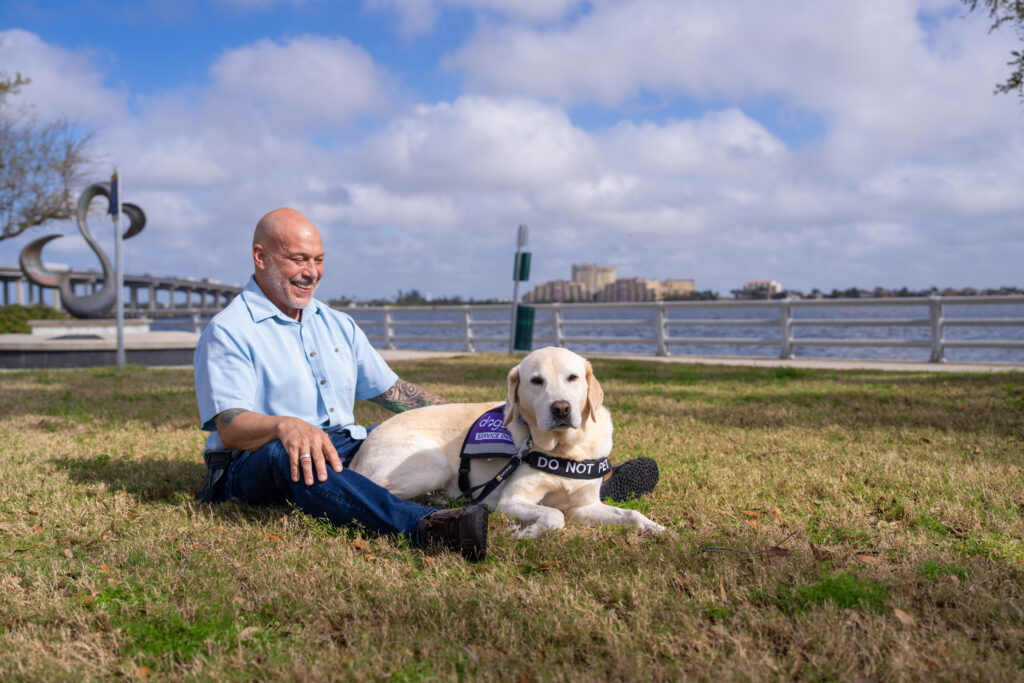 Most people mean well, but certain behaviors can create unnecessary distractions.
Avoid:
- Petting a service dog without permission
- Talking directly to the dog
- Calling the dog over
- Making noises to get the dog’s attention
- Offering food, treats, or toys
- Allowing children to approach without asking
- Blocking the dog’s path
- Encouraging other animals to interact with the dog
While these actions may seem harmless, they can interfere with the dog’s ability to assist the person they support.
How to Properly Interact with a Service Dog Team
When you encounter a service dog team, focus your attention on the person rather than the dog.
If you need to speak with them, address the person first. Many advocates use the phrase “talk to the person, not the dog” because it helps reinforce that the dog is working.
If you would like to interact with the dog, ask permission before approaching.
Respect personal space, avoid distractions, and understand that the individual may be focused on navigating their environment. By doing so, you help create a positive experience for everyone involved.
Service Dog Etiquette for Children

Children are often especially excited when they see a dog in public.
Service dogs provide a wonderful opportunity to teach respect, patience, and kindness.
A simple explanation such as, “That dog is working right now,” is often enough to help children understand why they shouldn’t run up and pet the dog.
Encourage children to admire the dog from a distance and ask questions rather than immediately approaching. Learning proper service dog etiquette at a young age helps build lifelong awareness and understanding.
Service Dog Etiquette for Businesses and Public Places
Employees in stores, restaurants, hotels, healthcare facilities, and other public accommodations regularly encounter service dog teams.
The best approach is simple: welcome the person as you would any other customer or guest.
Avoid directing unnecessary attention toward the dog and allow the team to move through the environment comfortably.
Why Service Dog Etiquette Matters
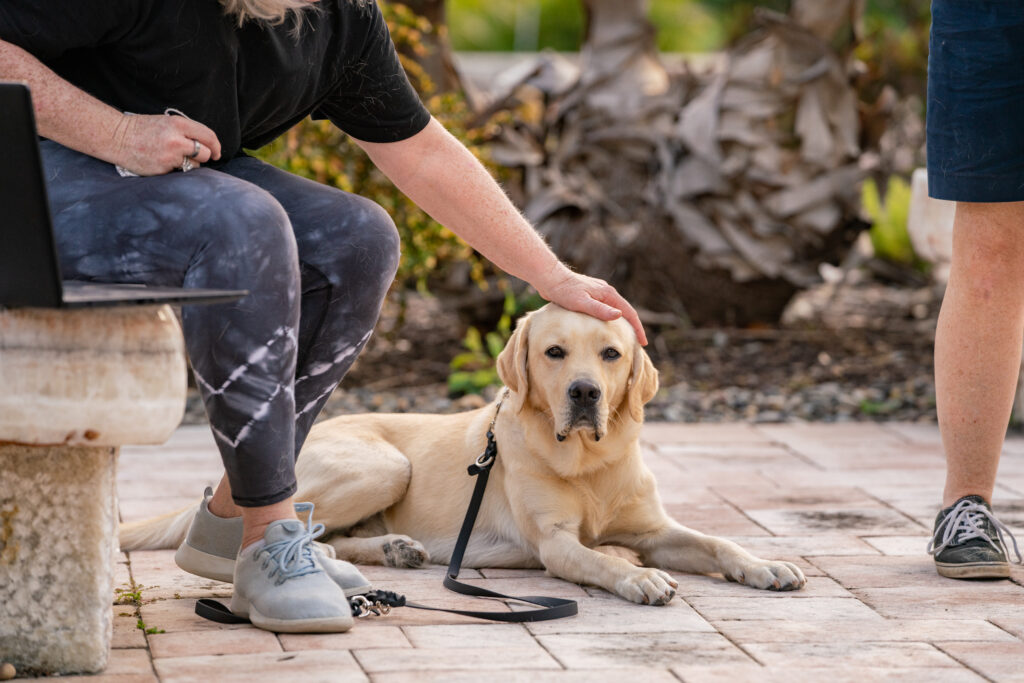 Service dogs help people accomplish tasks that many of us take for granted.
They provide guidance, mobility assistance, medical alerts, task support, and companionship that allows people to live with greater confidence and independence.
When the public understands service dog etiquette, everyone benefits.
People with disabilities can move through their communities more comfortably. Service dogs can remain focused on their work. Businesses can create more welcoming environments. And the public gains a greater appreciation for the remarkable role these dogs play in everyday life.
A Little Respect Goes a Long Way
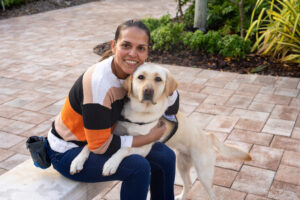
So, can you pet a service dog?
Usually, the answer is no—unless you’ve asked permission and received an invitation to interact.
The next time you see a service dog in public, remember that the dog is likely performing an important job. By giving the team space, avoiding distractions, and respecting their partnership, you help support the safety, independence, and success of the people who rely on these extraordinary dogs every day.
Interested in learning more about service dogs and the life-changing partnerships they create? Explore the programs, training, and mission of Dogs Inc and discover how extraordinary dogs help people live with greater freedom and confidence.
